

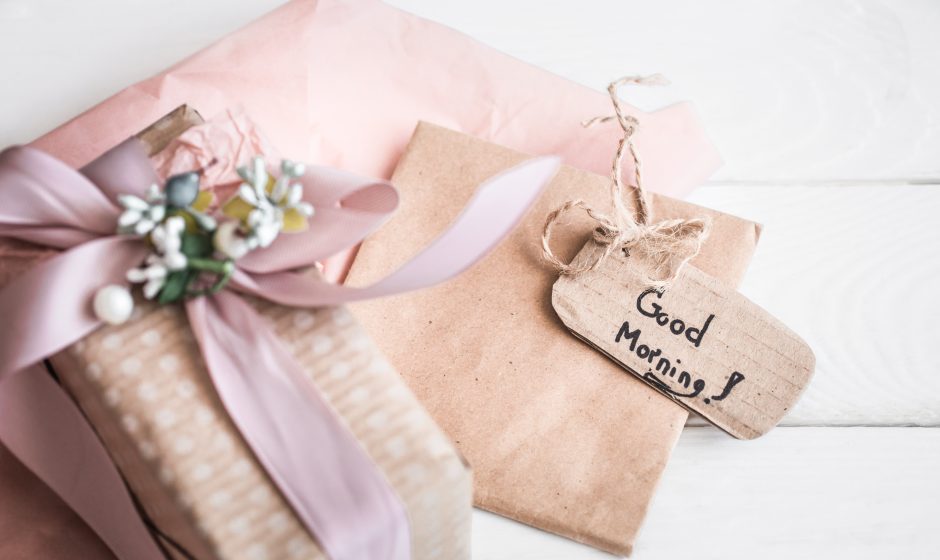

Recovery—whether from surgery, illness, or a challenging health event—can be a difficult journey both physically and emotionally. Thoughtful handmade gifts offer more than just a present; they provide comfort, encouragement, and a personal touch that store-bought items often cannot match. Handmade items show care, attention, and effort, reminding patients that they are supported and loved during their healing process.
From cozy comforts to creative keepsakes, handmade gifts can cater to both practical needs and emotional well-being. Here’s a guide to thoughtful handmade items that make the recovery journey brighter and more meaningful.
Why Handmade Gifts Matter
Handmade gifts are unique and personalized. They convey a level of care that pre-packaged products cannot. Benefits include:
-
Emotional Support: Handmade items often carry meaningful messages or personal touches that lift spirits.
-
Practical Comfort: Items like blankets or aromatherapy packs provide physical relief during recovery.
-
Keepsakes: Many handmade gifts become cherished mementos that patients can treasure long after recovery.
-
Creative Engagement: Some items encourage reflection, creativity, or mindfulness, helping patients stay mentally engaged.
1. Hand-Knitted or Crocheted Items
Soft, handmade textiles are comforting and practical.
Ideas include:
-
Blankets or Throws: Cozy, warm, and customizable with favorite colors or initials
-
Scarves or Hats: Practical for warmth, especially in cooler climates or hospitals
-
Socks or Slippers: Soft and comfortable for limited mobility
Knitted and crocheted items provide both warmth and a tangible expression of care.
2. Personalized Journals or Notebooks
Journals support emotional expression, goal tracking, and mindfulness during recovery.
Handmade touches can include:
-
Decorative covers with hand-painted designs or fabric
-
Guided prompts for gratitude, recovery progress, or daily reflections
-
Inspirational quotes or personalized messages on the pages
Journals encourage reflection and provide patients with a private, safe outlet for their thoughts and feelings.
3. Handmade Greeting Cards and Letters
A heartfelt card or letter can bring a lot of encouragement and hope.
Creative ideas:
-
Include uplifting quotes, jokes, or personal memories
-
Decorate with pressed flowers, stickers, or hand-drawn illustrations
-
Make multiple “open when” letters for different days of recovery
Letters provide emotional connection and reassurance, reminding patients that they are not alone.
4. DIY Aromatherapy Items
Aromatherapy promotes relaxation, reduces stress, and supports mental well-being.
Handmade options include:
-
Sachets filled with dried lavender, chamomile, or herbs
-
Soy or beeswax candles with gentle scents
-
Essential oil roll-ons labeled with motivational messages
These gifts help create a soothing environment that supports emotional and physical healing.
5. Creative Art Pieces
Art can brighten hospital rooms and uplift spirits.
Handmade options:
-
Mini paintings, watercolor cards, or hand-lettered quotes
-
Origami or small paper crafts for display
-
Personalized illustrations featuring the patient’s favorite colors or themes
Artistic gifts provide visual stimulation and serve as cheerful reminders of care.
6. Handmade Comfort and Care Kits
Combine multiple small handmade items into a single care package.
Examples:
-
Soft socks, eye masks, and small blankets
-
Handcrafted soaps, lip balms, or bath salts
-
Personalized journals, pens, or inspirational notes
Care kits address both emotional and practical needs, making recovery easier and more pleasant.
7. Personalized Bookmarks
For patients who enjoy reading, bookmarks are small yet meaningful gifts.
DIY ideas:
-
Hand-painted designs or illustrations
-
Inspirational quotes or positive affirmations
-
Laminated for durability with tassels or charms
Bookmarks make reading more enjoyable while adding a personal touch.
8. Handmade Jewelry or Accessories
Small handmade jewelry pieces can serve as daily reminders of support and strength.
Ideas include:
-
Bracelets engraved with motivational words
-
Necklaces with initials or charms representing hope
-
Custom keychains or pins
These items are both decorative and meaningful, offering encouragement even after recovery.
9. DIY Activity and Creativity Kits
Keeping patients mentally engaged can improve mood and focus during recovery.
Suggestions:
-
Coloring kits with custom designs
-
Simple craft kits like beadwork or small sewing projects
-
Puzzle books or brain games assembled creatively
Activity kits provide entertainment, distraction, and a sense of accomplishment.
10. Memory or Photo Keepsakes
Memories and personal connections can boost morale and provide emotional support.
Handmade options:
-
Scrapbooks or mini photo albums with handwritten notes
-
Framed collages of family, friends, or pets
-
Handmade photo cards with inspiring messages
These keepsakes reinforce feelings of love and connection during a difficult time.
Tips for Making Handmade Gifts for Recovery
-
Focus on Comfort and Practicality: Ensure items are soothing, soft, and safe for hospital or home use.
-
Add Personalization: Incorporate names, initials, favorite colors, or motivational messages.
-
Consider Portability: Choose items that are easy to carry and store in limited hospital space.
-
Include Thoughtful Details: Handwritten notes, inspirational quotes, and small creative touches make a big difference.
Final Thoughts
Thoughtful handmade gifts for recovery offer emotional support, comfort, and personalized care. From knitted blankets and journals to aromatherapy items, creative art, and keepsakes, these gifts address both the practical and emotional aspects of healing. Each handmade piece conveys love, attention, and encouragement, making recovery a little easier and a lot more hopeful.
Handmade gifts are more than just presents—they are a tangible expression of care that patients can treasure long after they have healed.