

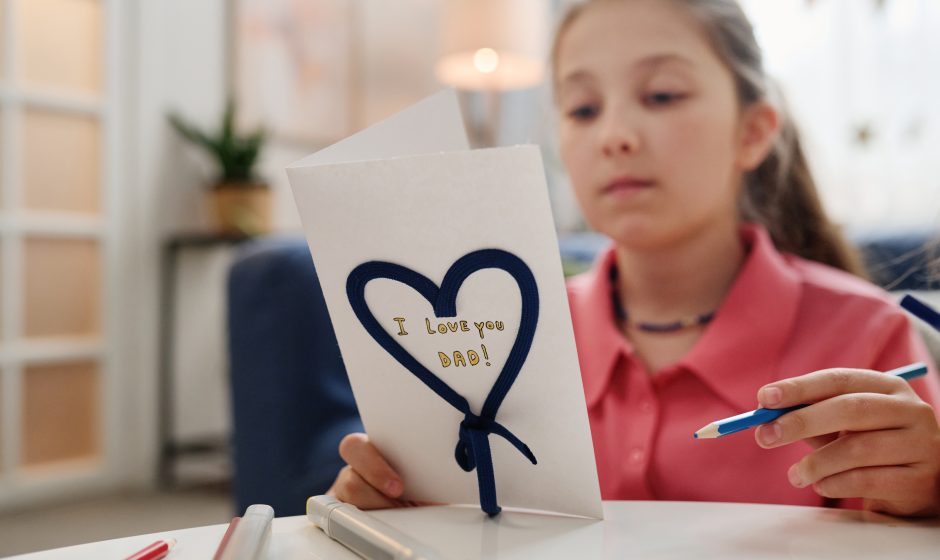

Recovery from illness, surgery, or a health challenge can be both physically exhausting and emotionally overwhelming. During these times, thoughtful gestures can provide encouragement, comfort, and a sense of connection. Handmade cards are a simple yet powerful way to support recovery—they show care, effort, and thoughtfulness that store-bought cards often lack.
Handmade cards can be personalized, interactive, or creatively designed to uplift a patient’s spirits. They are not just paper—they are a tangible expression of love, encouragement, and hope. Here’s a guide to the top handmade card ideas to support recovery.
Why Handmade Cards Matter
Handmade cards are more than greetings; they offer emotional and psychological benefits:
-
Emotional Uplift: Bright colors, cheerful designs, and personalized messages can improve mood.
-
Encouragement: Motivational quotes, affirmations, or heartfelt notes remind patients they are not alone.
-
Connection: Personalized cards strengthen bonds, showing the recipient they are thought of and cared for.
-
Keepsakes: Handmade cards often become cherished mementos, providing lasting reminders of support.
The effort put into creating a card communicates care and concern far more effectively than a generic store-bought greeting.
1. Pop-Up Cards
Pop-up cards bring a playful and interactive element to your message.
Ideas:
-
3D flowers, balloons, or stars that unfold when opened
-
Pop-up animals or cute characters for a smile-inducing surprise
-
Mini pop-up messages with words like “Get Well Soon” or “You’re Strong”
Pop-up cards delight patients with their creativity and make the card experience more engaging.
2. Hand-Lettered and Calligraphy Cards
Beautiful lettering adds a personal and artistic touch to your card.
Tips:
-
Use brush pens or calligraphy markers for a professional feel
-
Include positive messages, inspirational quotes, or affirmations
-
Combine with watercolor backgrounds or subtle illustrations for extra charm
Hand-lettered cards feel elegant and thoughtful, showing the effort behind the gesture.
3. Interactive “Open When” Cards
“Open when” cards provide ongoing encouragement, giving patients something to look forward to.
Examples:
-
“Open when you need a smile” – include a funny joke or doodle
-
“Open when you feel tired” – add a motivational quote
-
“Open when you celebrate progress” – include a short note of congratulations
These cards offer continued emotional support and engagement throughout recovery.
4. Collage or Mixed Media Cards
Collage cards combine textures, colors, and elements to create a visually appealing, personalized card.
Ideas:
-
Mix scrapbook paper, stickers, and patterned cutouts
-
Add pressed flowers or small fabric pieces for texture
-
Include personal photos or hand-drawn illustrations
Mixed media cards stand out as creative and memorable, adding a personal, handmade touch.
5. Textured and Embossed Cards
Textured cards engage the senses and enhance visual appeal.
Ideas:
-
Embossed patterns or raised lettering
-
Felt or fabric embellishments for softness
-
Glitter, metallic accents, or hand-painted designs
Texture adds depth and a tactile element, making the card more interactive and special.
6. Themed Cards
Theming your card based on patient preferences makes it personal and thoughtful.
Ideas:
-
Nature themes like flowers, butterflies, or calming landscapes
-
Animal themes featuring pets, birds, or whimsical creatures
-
Hobby-inspired themes like music, books, or art
A themed card shows attention to the patient’s personality and interests, making it extra meaningful.
7. Cards with Inspirational Inserts
Add small notes or inserts with motivational messages for extra encouragement.
Ideas:
-
Mini affirmations tucked inside the card
-
Bookmarks with quotes about healing or perseverance
-
Fold-out notes or tags with personal messages
These inserts provide ongoing positivity and a personal touch that can be revisited anytime.
Tips for Creating Handmade Recovery Cards
-
Use Cheerful Colors: Bright or calming tones lift mood and convey positivity.
-
Keep Messages Clear and Uplifting: Focus on encouragement, hope, and empathy.
-
Personalize Whenever Possible: Include the patient’s name, favorite colors, or meaningful symbols.
-
Consider Practicality: Cards should be easy to open and read, especially for patients with limited mobility.
-
Pair with Small Gifts: Cards can accompany cozy blankets, teas, or small homemade treats for a full recovery package.
Final Thoughts
Handmade cards are a thoughtful and creative way to support recovery. From pop-up designs and hand-lettered messages to interactive “open when” cards and mixed media collages, there are countless ways to personalize your gesture.
A handmade card is more than a greeting—it’s a message of hope, love, and encouragement. Each design choice, written word, and personal touch helps patients feel supported and cared for, making their recovery journey a little brighter, warmer, and more hopeful.