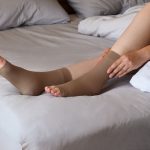



Recovery after surgery, illness, or intense physical activity requires careful attention to circulation, comfort, and overall health. One often-overlooked tool that can significantly improve the healing process is a pair of compression socks. These specialized socks are designed to promote healthy blood flow, reduce swelling, and prevent complications, making them an essential addition to any recovery plan. Whether you are a patient recovering from surgery, an athlete easing muscle fatigue, or someone with circulation concerns, compression socks can play a vital role in supporting your body during the healing process.
How Compression Socks Work
Compression socks apply gentle, graduated pressure to the legs, ankles, and feet. The compression is strongest at the ankle and gradually decreases up the leg, which helps push blood back toward the heart. This process improves circulation, prevents blood from pooling in the lower extremities, and supports overall vascular health.
By enhancing blood flow, compression socks can reduce the risk of blood clots, alleviate swelling, and improve oxygen delivery to tissues, all of which are critical factors in recovery. They are particularly valuable for individuals who spend long periods sitting or lying down, as well as those who are recovering from surgery or injury.
Benefits of Compression Socks for Recovery
1. Reduced Swelling and Fluid Retention
Swelling, also known as edema, is a common concern during recovery. Compression socks help minimize fluid buildup in the legs and feet by encouraging circulation and lymphatic drainage. This can relieve discomfort, reduce pressure on joints, and help patients move more easily, especially after surgery or prolonged bed rest.
2. Improved Circulation
Adequate circulation is essential for healing. By promoting blood flow, compression socks ensure that oxygen and nutrients reach muscles and tissues efficiently. Improved circulation also helps remove metabolic waste products, which can reduce muscle soreness and accelerate recovery for both surgical and athletic patients.
3. Reduced Risk of Deep Vein Thrombosis (DVT)
One of the most serious post-operative risks is the development of blood clots, or deep vein thrombosis. Compression socks help reduce this risk by keeping blood moving and preventing it from pooling in the lower extremities. Many hospitals recommend the use of compression socks for patients after surgery, during long flights, or when mobility is limited.
4. Support for Tired or Aching Legs
Recovery can place strain on the legs, especially for patients who are required to stand or walk for extended periods. Compression socks provide gentle support that reduces fatigue, eases discomfort, and improves endurance. They are particularly useful for athletes recovering from intense training sessions or for patients who are gradually resuming normal activity after an injury.
5. Enhanced Comfort During Extended Rest
Even when at rest, the legs benefit from support. Compression socks can reduce feelings of heaviness and improve comfort while lying down or sitting for long periods. This can make rest more restorative and improve sleep quality, which is an essential component of recovery.
Choosing the Right Compression Socks
Not all compression socks are the same, and selecting the right pair is crucial to ensure safety and effectiveness. Consider the following factors:
-
Compression Level: Measured in millimeters of mercury (mmHg), compression levels typically range from mild (8–15 mmHg) to medical-grade (20–40 mmHg). For post-surgical or medical recovery, a healthcare provider can recommend the appropriate level.
-
Fit: Proper sizing is essential. Socks that are too tight can restrict circulation, while loose socks may not provide adequate support. Measure the ankle, calf, and sometimes thigh circumference before purchasing.
-
Length: Compression socks come in knee-high, thigh-high, and full-leg options. Knee-high is most common for general recovery and circulation support.
-
Material: Breathable, moisture-wicking fabrics enhance comfort, especially during long-term wear.
Practical Tips for Use
-
Wear compression socks during periods of inactivity or extended rest, as well as during walking or light movement, depending on the recovery plan.
-
Follow the guidance of a healthcare professional, especially after surgery or if you have vascular conditions.
-
Remove socks periodically to check for skin irritation or discomfort, and ensure proper hygiene by washing them regularly.
Final Thoughts
Compression socks are more than just a comfort accessory—they are a vital tool for supporting circulation, reducing swelling, and preventing complications during recovery. Whether for post-surgical patients, athletes, or individuals with circulation concerns, these socks can improve healing outcomes, reduce discomfort, and promote overall wellness. By choosing the right compression socks and using them as part of a comprehensive recovery plan, patients can experience faster, safer, and more comfortable healing.