

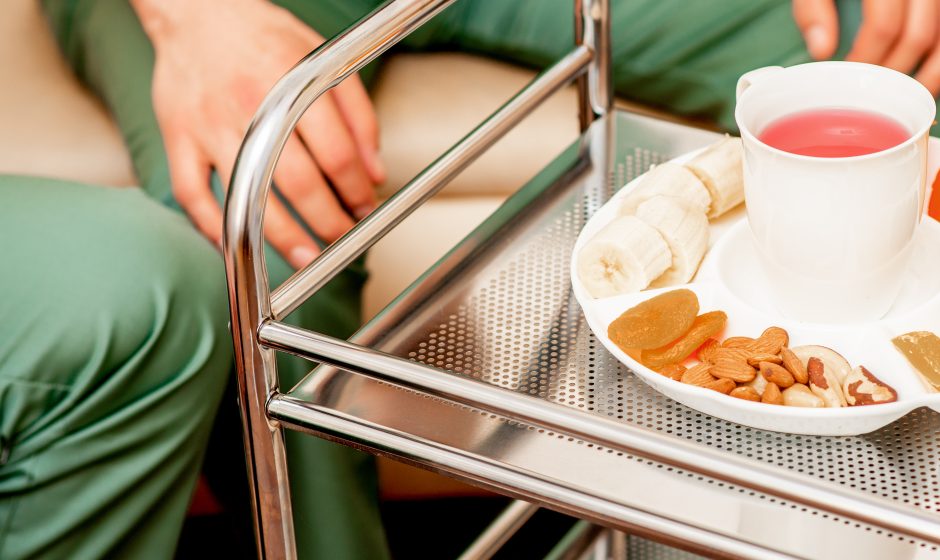

When someone is staying in a hospital, proper nutrition plays an important role in recovery. Patients often experience reduced appetite, fatigue, or limited food options, which makes healthy and easy-to-eat snacks especially valuable. Nutritious snacks can provide essential vitamins, minerals, and energy that help the body heal faster and maintain strength.
Choosing the right snacks for hospital patients requires thoughtfulness. Snacks should be easy to digest, nutrient-dense, and convenient to eat, while also considering dietary restrictions or medical guidelines. Below are some of the top nutritious snacks for patients in hospitals that can support recovery and overall well-being.
Fresh Fruits
Fresh fruits are one of the best snack options for patients because they are rich in vitamins, antioxidants, and natural sugars that provide energy. Fruits are also easy to digest and refreshing for patients who may not feel like eating heavy meals.
Some excellent fruit options include:
-
Apples or apple slices
-
Bananas
-
Oranges or mandarins
-
Grapes
-
Berries such as strawberries or blueberries
Fruits also contain fiber, which supports digestion and helps maintain a healthy digestive system during recovery. Pre-cut fruit containers can make them easier for patients to enjoy in a hospital setting.
Yogurt and Probiotic Snacks
Yogurt is a nutrient-rich snack that provides protein, calcium, and probiotics, which help support gut health. A healthy digestive system is important during recovery, especially for patients taking medications that may affect digestion.
Greek yogurt is particularly beneficial because it contains more protein than regular yogurt. Patients can enjoy yogurt with:
-
Fresh fruit
-
A drizzle of honey
-
A small amount of granola
Probiotic snacks support immune health and can make patients feel more energized throughout the day.
Nuts and Seeds
Nuts and seeds are excellent sources of healthy fats, protein, and essential nutrients. They provide long-lasting energy and help patients stay satisfied between meals.
Healthy choices include:
-
Almonds
-
Walnuts
-
Cashews
-
Pistachios
-
Sunflower seeds
-
Pumpkin seeds
These snacks are nutrient-dense and easy to store, making them ideal for hospital visits or care packages. However, portion control is important since nuts are calorie-dense.
Whole Grain Crackers and Healthy Carbohydrates
Whole grain snacks provide complex carbohydrates, which give patients steady energy throughout the day. Unlike refined snacks, whole grains contain fiber and essential nutrients that help support recovery.
Good options include:
-
Whole grain crackers
-
Oat-based snacks
-
Rice cakes
-
Whole wheat toast or crispbread
These snacks pair well with healthy toppings like hummus, peanut butter, or cheese, making them both satisfying and nutritious.
Protein Bars or Granola Bars
Protein is essential for healing and tissue repair. Protein bars and granola bars can be convenient snacks that help patients maintain their strength during recovery.
When choosing bars, look for options that are:
-
Low in added sugar
-
High in protein
-
Made with natural ingredients
Bars made with oats, nuts, seeds, and dried fruits are especially beneficial because they combine carbohydrates, protein, and healthy fats.
Smoothies and Nutrient-Rich Drinks
Smoothies are ideal for patients who may have difficulty chewing or have a reduced appetite. They provide a concentrated source of vitamins and minerals in a convenient form.
Healthy smoothie ingredients may include:
-
Fresh fruits
-
Yogurt or milk
-
Spinach or leafy greens
-
Peanut butter or almond butter
-
Protein powder (if approved by a healthcare provider)
Smoothies can be customized based on dietary needs and can provide hydration along with nutrition.
Hummus and Vegetable Snacks
Vegetables paired with hummus make a light, nutritious, and flavorful snack. Vegetables provide essential vitamins and minerals, while hummus offers protein and healthy fats from chickpeas and olive oil.
Popular combinations include:
-
Carrot sticks with hummus
-
Cucumber slices with hummus
-
Bell pepper strips with hummus
-
Celery sticks with hummus
This snack is refreshing, nutritious, and easy to eat, making it ideal for hospital patients.
Dark Chocolate in Moderation
While not traditionally considered a health food, dark chocolate can be a comforting and beneficial treat when eaten in moderation. Dark chocolate contains antioxidants and may help improve mood, which is important during recovery.
Choose chocolate with a high cocoa content (70% or more) and keep portions small. Pairing a small piece with nuts or fruit can create a balanced snack.
Hydrating Snacks and Drinks
Hydration is essential for recovery. In addition to water, patients may benefit from hydrating snacks such as:
-
Coconut water
-
Herbal teas like chamomile or peppermint
-
Fruit-infused water
-
Fresh fruit with high water content, such as watermelon
These options help maintain hydration while providing light nourishment.
Tips for Choosing Snacks for Hospital Patients
When selecting snacks for someone in the hospital, keep the following tips in mind:
-
Check dietary restrictions recommended by doctors or dietitians.
-
Choose easy-to-eat foods that do not require much preparation.
-
Avoid overly processed or sugary snacks.
-
Focus on nutrient-dense options that support healing.
-
Include variety to keep snack options interesting and enjoyable.
Conclusion
Nutritious snacks can make a meaningful difference in a patient’s hospital experience. Foods rich in protein, vitamins, healthy fats, and complex carbohydrates help provide energy, support immune function, and promote faster healing.
From fresh fruits and yogurt to nuts, whole grains, smoothies, and vegetable snacks, these options provide both nourishment and comfort during recovery. By choosing thoughtful, healthy snacks, family members and caregivers can support patients not only physically but also emotionally, helping them feel cared for and encouraged during their healing journey.