

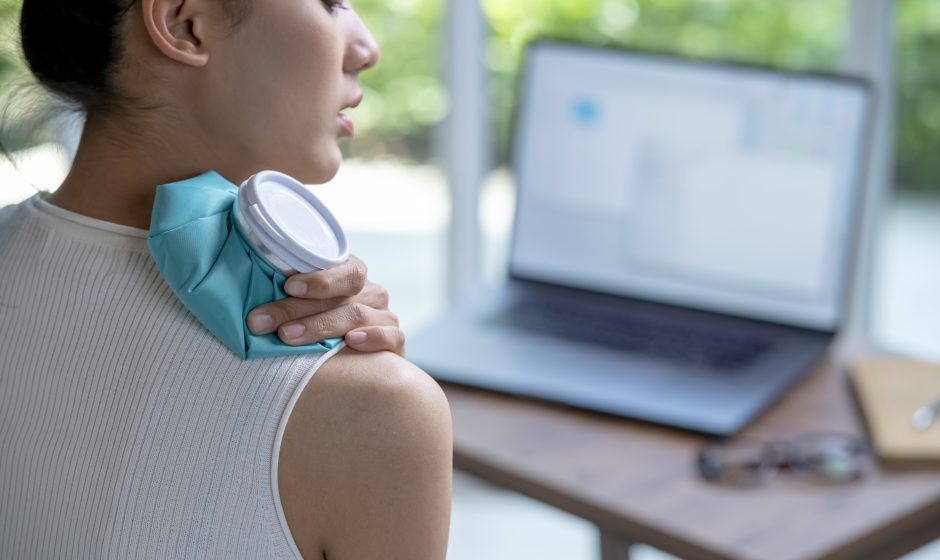

During recovery — whether from surgery, injury, or chronic pain — comfort plays a crucial role in healing. Many patients experience inflammation, muscle tension, night sweats, or overheating that can interfere with rest and slow recovery. While rest, gentle movement, and proper medical care are important, cooling products can enhance comfort, reduce heat‑related discomfort, and improve sleep quality. Cooling items help control temperature, soothe irritated tissues, and provide a refreshing sense of relief that often isn’t achieved with standard bedding or room temperature alone.
In this guide, we’ll explore the best cooling items that can support comfort during recovery — from cooling blankets to reusable ice wraps, breathable pillows, and soothing gel pads. These tools are especially helpful for anyone dealing with inflammation, swelling, fever, or heat sensitivity.
Why Cooling Matters in Recovery
When the body is healing, inflammation and elevated temperature in affected areas can lead to discomfort. Heat from swelling or fever can make it harder to rest, increase agitation, and in some cases, intensify pain. Cooling promotes vasoconstriction — the narrowing of blood vessels — which helps reduce inflammation and swelling when applied correctly. It also slows nerve transmission in sore or irritated tissues, providing a natural form of pain relief without medication.
Cooling products also offer psychological comfort. The sensation of coolness can calm irritated skin, regulate body temperature at night, and support longer, more restful sleep — all important elements of effective recovery.
Top Cooling Items for Comfort and Healing
Here are some of the best cooling tools you can use during recovery:
1. Cooling Blankets
Cooling blankets are designed with breathable fabrics and moisture‑wicking materials that help disperse body heat instead of trapping it. Unlike traditional blankets that insulate, cooling blankets promote airflow and reduce night sweats — a common issue for many recovering patients.
Best suited for:
-
Those who sleep hot
-
Patients with fever or night sweats
-
Anyone seeking temperature regulation during sleep
Look for blankets made from materials such as bamboo viscose, cotton blends, or advanced cooling polymers that pull heat away from the body.
2. Gel‑Infused Memory Foam Pillows
Many standard pillows retain heat, which can make resting uncomfortable. Gel‑infused memory foam pillows combine the supportive contour of memory foam with cooling gel technology, helping dissipate heat and maintain a comfortable surface temperature throughout the night.
Benefits include:
-
Spinal alignment and neck support
-
Temperature‑regulated rest
-
Reduced heat buildup compared with traditional foam
These pillows are especially helpful for side and back sleepers who spend a lot of time resting or napping during recovery.
3. Reusable Ice Packs and Gel Packs
For targeted cooling relief — especially on swollen joints, bruises, or post‑surgical areas — reusable ice packs and gel packs are highly effective. They can be chilled in the freezer and applied directly (with a cloth barrier) to inflamed areas to reduce swelling and soothe pain. Unlike traditional ice, gel packs conform to body contours for better contact.
Tips for use:
-
Apply for 15–20 minutes at a time
-
Always place a thin cloth between skin and pack
-
Re‑chill and reuse as needed
Reusable ice packs are practical and cost‑effective tools in both acute and extended recovery scenarios.
4. Cool Mist Humidifiers
Dry air can make skin feel hot and irritated, and can interfere with sleep quality. A cool mist humidifier adds moisture to the air without heat, which helps maintain a soothing environment that supports better breathing and skin comfort.
Advantages of a cool mist humidifier:
-
Reduces dryness that can intensify heat discomfort
-
Improves breathing for congested or feverish patients
-
Helps with dry skin and irritated nasal passages
This is especially useful in climates or seasons with low humidity.
5. Cooling Gel Mattress Toppers
A cooling gel mattress topper provides full body temperature regulation by creating a cooler sleep surface. Infused with cooling gel beads or layers, these toppers draw heat away from the body and increase airflow at the mattress surface. They are especially beneficial for patients who spend considerable time in bed.
Good for:
-
Reducing night overheating
-
Improving sleep quality
-
Comfort during extended rest
Pairing a cooling mattress topper with breathable sheets can make a noticeable difference in comfort for heat‑sensitive sleepers.
6. Breathable Bedding and Sheets
Cooling comfort doesn’t start and end with a blanket. Breathable bedding — such as cotton percale, bamboo, or linen sheet sets — enhances airflow and prevents heat from becoming trapped beneath covers. Lightweight, moisture‑wicking bedding improves heat regulation and keeps skin dry and comfortable.
Choose fabrics that are:
-
Lightweight and breathable
-
Moisture‑wicking
-
Soft and gentle on sensitive skin
How to Use Cooling Products Safely
Cooling items are effective, but should be used with care:
-
For ice and gel packs, limit sessions to around 15–20 minutes to avoid cold‑induced skin irritation.
-
Never apply ice directly to bare skin; always use a thin cloth barrier.
-
For cooling blankets and bedding, choose materials that match the patient’s climate and personal comfort.
-
For postoperative or circulatory conditions, always consult a healthcare provider before using cold therapy on surgical sites or sensitive tissues.
Final Thoughts
Cooling items offer practical comfort and relief that supports the body’s natural healing process. From cooling blankets and breathable bedding to gel pillows, ice packs, and mist humidifiers, these tools help manage heat, soothe irritation, and improve rest — all essential components of a comfortable recovery.
Thoughtfully chosen cooling products not only enhance physical comfort but also help patients sleep better, move more easily, and feel more at ease during the healing journey. In recovery, comfort isn’t a luxury — it’s part of the process.