

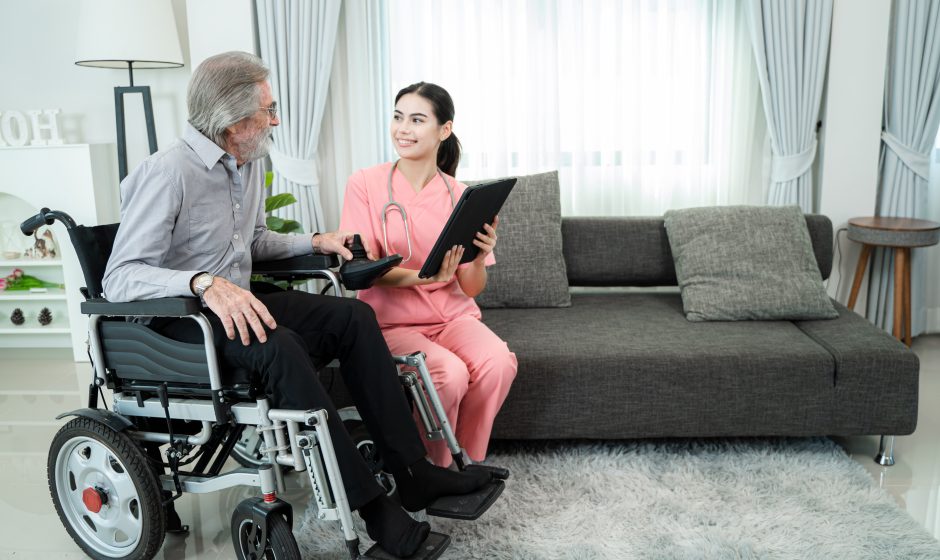

Rehabilitation—whether after surgery, injury, illness, or a long hospital stay—is a period of focused healing that requires patience, resilience, and physical effort. While rehab exercises and professional care are essential, comfort plays a powerful role in supporting recovery. The right comfort items can ease physical discomfort, reduce stress, and help patients stay motivated through the ups and downs of rehabilitation. Thoughtful gifts that combine practical support with soothing comfort not only make rehab more bearable but also remind patients that they are cared for and supported in their journey.
Here’s a guide to the top comfort items that bring relief, relaxation, and encouragement during rehabilitation.
1. Supportive Pillows and Cushions
Comfort begins with proper support. Rehab often involves long periods of rest or seated exercises, and standard pillows aren’t always enough.
Memory Foam and Contour Pillows
Memory foam and contour pillows adapt to the shape of the body, offering targeted support for the neck, back, or legs. These pillows help reduce tension and pressure points, making sitting, resting, or sleeping more comfortable.
Lumbar and Seat Cushions
For patients who spend time sitting during therapy or at home, ergonomic seat cushions relieve lower back strain and improve posture. Lumbar cushions support the natural curve of the spine, reducing discomfort during prolonged sitting.
2. Plush Blankets and Throws
Soft blankets are more than cozy—they provide warmth, comfort, and emotional reassurance. Rehab isn’t just about physical healing; it can be emotionally draining too. A plush blanket offers a comforting cocoon that helps soothe nerves and promote relaxation.
Weighted Blankets
Weighted blankets provide gentle, even pressure that can help reduce anxiety and promote restful sleep. This calming effect is especially helpful during nights when discomfort or stress makes it hard to relax.
3. Comfortable Loungewear
Rigid clothes can make movements uncomfortable, especially when muscles are sore or incisions are tender. Comfortable, breathable loungewear helps patients remain at ease throughout the day.
Soft Pajamas, Robes, and Lounge Sets
Loose, comfortable clothing made of cotton or other soft fabrics supports easy movement without irritation. These garments are also ideal for therapy days and rest periods, helping patients feel more relaxed during recovery.
4. Sensory Comfort Items
Healing isn’t only physical—sensory comfort can have a big impact on emotional well‑being and stress relief.
Aromatherapy Diffusers
With safe, approved essential oils such as lavender or chamomile, diffusers help create a calming environment that supports emotional balance and improved sleep quality. Always ensure medical approval if the patient has respiratory sensitivities.
Soothing Sound Machines
Devices that play gentle soundscapes—like ocean waves, rain, or white noise—offer a peaceful background that can drown out distracting noises and promote deeper rest.
Eye Masks and Earplugs
These help block light and noise during rest, especially helpful for patients sharing space or recovering in noisy home environments.
5. Soft Footwear and Non‑Slip Accessories
During rehab, mobility and balance may still be improving. Comfortable footwear and traction accessories help patients feel secure as they move.
Cushioned Slippers and Non‑Slip Socks
Soft slippers with non‑slip soles provide both comfort and safety when walking around at home or in therapy spaces. Non‑slip socks are a great alternative for indoor use, offering warmth and grip without restricting movement.
6. Warmth and Pain Relief Comforts
Muscle stiffness and soreness are common during rehabilitation. Simple heat‑based comfort tools provide relief and relaxation.
Microwaveable Heat Pads
Heat pads that can be warmed in the microwave offer targeted warmth to sore muscles, helping reduce stiffness and promote circulation.
Electric Heating Pads
For adjustable warmth and longer sessions of heat therapy, electric heating pads offer sustained comfort that can be especially soothing after therapy sessions.
7. Cozy Neck and Body Wraps
Neck discomfort and muscle tension often arise during rehab exercises or rest. Comfort wraps offer a simple, soothing solution.
Neck Wraps and Shoulder Wraps
These wraps can be heated or cooled to suit the patient’s needs. Heated wraps ease tension, while cooled wraps help reduce swelling or inflammation.
8. Comfort‑Focused Furniture Accessories
Small additions to furniture make a big difference when patients spend a lot of time resting or seated.
Over‑Bed Tables
Convenient for meals, entertainment, or reading, these tables keep essentials within reach without requiring the patient to strain or move excessively.
Recliner or Adjustable Chairs
A comfortable recliner with good support helps patients rest at different angles, reducing pain and promoting comfort during extended sitting.
Conclusion
Rehabilitation is a journey that demands physical effort, patience, and resilience. Comfort items don’t cure injuries or replace medical care, but they play a crucial supporting role—easing physical discomfort, reducing stress, promoting better rest, and enhancing emotional well‑being. Whether you’re choosing a gift for a loved one or supporting your own recovery, these top comfort items help make rehab more manageable, pleasant, and encouraging.
Thoughtful gifts like supportive pillows, cozy blankets, sensory tools, and practical accessories show patients that they are cared for—not just in body, but in heart and spirit. These comfort items help transform the rehab experience from one of struggle into one filled with support, calm, and healing.