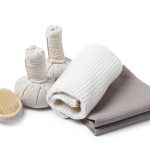



Being in the hospital can be a stressful and exhausting experience for anyone. Patients often face physical discomfort, emotional strain, and a disruption of their daily routines. While medical care is the foundation of recovery, thoughtful gifts can play an equally important role in supporting healing. Well-chosen presents offer comfort, emotional reassurance, mental stimulation, and a sense of connection with loved ones, helping patients feel cared for and encouraged throughout their hospital stay.
1. Comfort Items for Physical Ease
Comfort is the first step toward creating a supportive healing environment. Hospitals can be cold, noisy, and impersonal, so gifts that add softness and warmth are always appreciated.
-
Plush Blankets and Throws: A soft blanket not only provides warmth but also offers a sense of security. Personalized blankets with the patient’s name or favorite colors add a special touch and make the room feel more like home.
-
Ergonomic Pillows: Standard hospital pillows can be flat and uncomfortable. Memory foam neck pillows, lumbar cushions, or wedge pillows provide support and help reduce strain during rest or sleep.
-
Comfortable Clothing and Footwear: Soft pajamas, robes, or lounge sets along with non-slip slippers or cozy socks make moving around the hospital more comfortable and safer.
Comfort items help patients feel physically supported, making it easier to rest and focus on recovery.
2. Entertainment and Mental Engagement
Hospital stays often involve long periods of waiting and downtime, which can be mentally draining. Entertainment gifts provide distraction and help maintain cognitive engagement.
-
Books and Magazines: Age-appropriate novels, magazines, or large-print books offer an escape from the hospital environment. Interactive books, such as puzzle books or activity-based stories, can also stimulate the mind.
-
Audiobooks and Podcasts: For patients who find reading tiring, audiobooks and podcasts provide enjoyable content without the strain on eyes, making them perfect for rest periods.
-
Games and Puzzles: Crossword puzzles, Sudoku, jigsaw puzzles, or compact board games keep patients entertained while promoting focus and problem-solving.
Keeping the mind engaged is an essential part of emotional well-being and overall recovery.
3. Creative and Therapeutic Activities
Engaging in creative activities can have a calming effect and provide a sense of accomplishment, even during hospitalization.
-
Art and Craft Kits: Coloring books, watercolor sets, knitting kits, or simple DIY projects allow patients to express themselves creatively.
-
Journals and Writing Supplies: Journaling can be a therapeutic outlet for emotions, helping patients process their feelings during challenging times.
-
Music and Audio Therapy: Simple musical instruments, playlists, or music subscriptions can lift spirits, reduce stress, and provide comfort during rest.
Creative activities not only distract patients from discomfort but also promote mental resilience.
4. Personalized and Heartfelt Gifts
Personalized gifts convey thoughtfulness and emotional connection, reminding patients that they are loved and supported.
-
Photo Frames and Albums: Family photos or snapshots of cherished memories provide comfort and encourage conversation.
-
Handwritten Letters and Cards: Heartfelt messages from friends and family have a profound impact, offering emotional reassurance during difficult times.
-
Keepsakes: Personalized items, such as engraved bracelets, custom mugs, or name-embroidered items, become meaningful reminders of love and support.
These gifts help patients feel connected and less isolated during hospitalization.
5. Sensory and Soothing Items
Hospital environments can be overwhelming due to noise, bright lights, and unfamiliar routines. Sensory gifts promote relaxation and emotional well-being.
-
Weighted Blankets or Soft Toys: Gentle pressure from weighted blankets can calm anxiety, while plush toys provide comfort, especially for pediatric patients.
-
Aromatherapy Diffusers: With medical approval, calming scents like lavender or chamomile can reduce stress and help improve sleep quality.
-
Soothing Sound Machines or Headphones: Gentle natural sounds or soft music can create a calming atmosphere, aiding relaxation and recovery.
Sensory items help create a supportive environment conducive to both emotional and physical healing.
6. Practical and Helpful Items
Practical gifts that make daily life easier during hospitalization are both thoughtful and valuable.
-
Water Bottles and Spill-Proof Mugs: Easy-to-hold, colorful bottles encourage hydration, an important aspect of recovery.
-
Organizers: Pill organizers or small storage solutions help patients manage medications and personal items efficiently.
-
Easy-to-Use Personal Care Items: Moisturizers, lip balms, and wipes make it easier to maintain hygiene and comfort in a hospital setting.
Practical gifts show consideration for a patient’s daily needs and support a smoother recovery process.
Conclusion
Thoughtful presents during hospitalization go beyond material value—they provide comfort, entertainment, emotional reassurance, and practical support. From cozy blankets and ergonomic pillows to creative activities, personalized keepsakes, and sensory aids, each gift contributes to a patient’s overall healing experience.
By selecting items that blend comfort, engagement, and emotional connection, friends and family can help patients feel valued, supported, and encouraged. Small, considerate gestures can brighten even the most challenging hospital stay, making the recovery journey more pleasant, positive, and meaningful.