

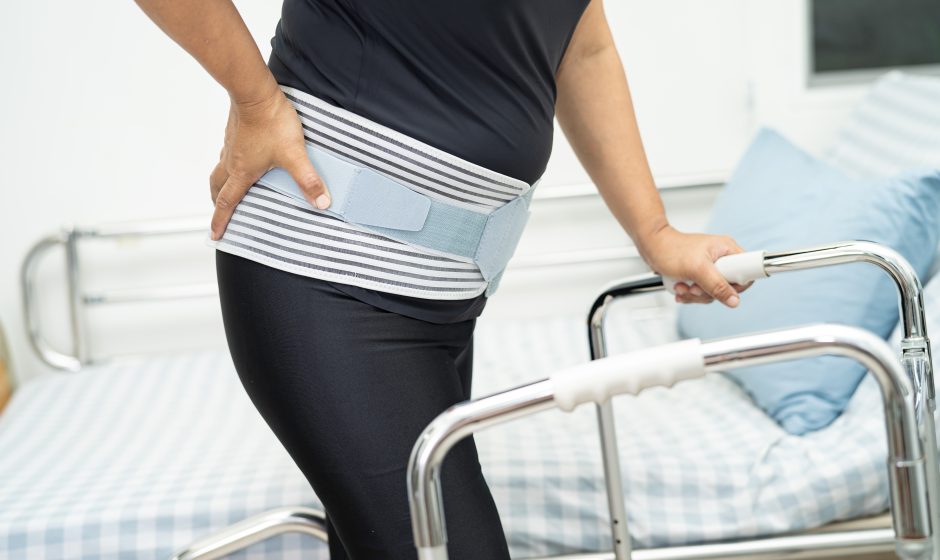

Undergoing hip surgery—whether it’s a hip replacement, arthroscopy, or joint repair—is a major event that requires careful attention to healing and comfort. While doctors and physical therapists guide the medical side of recovery, a well‑prepared recovery environment and thoughtful essentials can significantly improve comfort, mobility, and emotional well‑being. Whether a loved one is recovering in the hospital or at home, these essentials help make the process smoother, safer, and more supportive.
1. Supportive Seating and Cushions
One of the biggest challenges after hip surgery is finding a way to sit comfortably without putting strain on the surgical site. Standard chairs and couches may be too low or too soft.
Essentials include:
-
Elevated seat cushions to raise the level of chairs and couches
-
Wedge cushions that support proper posture
-
Memory foam or gel‑infused seat pads that reduce pressure and discomfort
These make sitting for meals, rest, or therapy sessions more comfortable and help protect the hip as it heals.
2. Adjustable Bed and Bedside Accessories
Patients spend a lot of time resting during early recovery, and a comfortable sleep setup is vital. Adjustable beds or simple accessories help reduce pain and prevent unnecessary movement.
Helpful items include:
-
Adjustable bed wedges – for elevating the head or legs
-
Extra pillows – for support and positioning
-
Side‑bed organizers – to keep water, medications, phone, and remote within reach
Being able to adjust positions without pain increases comfort and promotes better rest—which supports healing.
3. Mobility Aids for Safety
Regaining mobility after hip surgery takes time, and safety is critical. Many patients worry about falling or straining their hip during movement. Mobility aids provide stability and confidence.
Common essentials:
-
Walkers or rolling walkers – for initial mobility
-
Crutches or canes – once strength improves
-
Non‑slip socks – reduce risk of slips on smooth floors
-
Reacher/grabber tools – so patients don’t have to bend or twist
These items encourage safe movement and independence without risking injury.
4. Cold and Heat Therapy Tools
Pain and swelling are typical after hip surgery. Proper pain management supports comfort and accelerates healing.
Useful therapy tools:
-
Reusable ice packs or cold wraps – reduce inflammation
-
Gel hip pads – shaped to fit the hip contour
-
Moist heat packs – gentle warmth for muscle tension once swelling decreases
Cold therapy is usually best in the first days after surgery, while heat can help later in recovery to relax tight muscles and increase circulation.
5. Comfortable Clothing
Getting dressed after surgery can be challenging if clothing is restrictive or difficult to put on. Choosing the right clothing helps patients stay comfortable and mobile.
Look for:
-
Loose‑fitting pants with elastic waists
-
Front‑opening shirts (easier to put on while seated)
-
Slip‑on shoes or slippers (no bending required)
-
Compression socks (help reduce swelling and support circulation)
Comfortable clothing not only feels better physically but also reduces frustration during recovery.
6. Personal Care and Hygiene Items
Hip surgery patients may need help with daily grooming while mobility is limited. A thoughtful set of personal care essentials can support independence.
Include:
-
Dry shampoo and body wipes
-
Moisturizing lotion and lip balm
-
Long‑handled sponges or bath brushes
-
Comfortable, easy‑slip slippers or socks
These items help patients feel refreshed and maintain dignity without undue effort.
7. Hydration and Nutrition Essentials
Healing requires good nutrition and hydration. After surgery, patients may eat less due to low appetite or hospital food routines.
Helpful items:
-
Reusable spill‑proof water bottles
-
Healthy snacks like nuts, dried fruit, and protein bars (if allowed)
-
Herbal teas for relaxation and digestion
Staying hydrated and nourished supports energy levels and speeds healing.
8. Entertainment and Stress‑Relief Tools
Rest and recovery involve long hours. Mental engagement and relaxation support emotional well‑being, which is a big part of healing.
Great options include:
-
Books, magazines, and puzzle books
-
Adult coloring or activity kits
-
Audiobooks and music playlists
-
Tablet with preloaded entertainment
Keeping the mind engaged helps reduce stress and prevent feelings of isolation.
9. Medication Management Accessories
Patients often manage multiple medications during recovery. Tools that help organize medications make daily routines smoother and reduce errors.
Essentials:
-
Weekly pill organizers
-
Medication reminder apps
-
Small bedside trays for placing pills, water, and dosing instructions
Staying organized makes recovery less overwhelming.
10. Personal and Emotional Support Gifts
Physical comfort matters, but emotional support is equally important. Personalized items remind patients they are loved and supported.
Consider:
-
Custom blankets or photo pillows
-
Handwritten notes or inspirational cards
-
Comfort mugs or framed photos of family/pets
Emotional comfort reduces stress and supports positive healing.
Final Thoughts
Hip surgery recovery is a gradual process that requires patience, support, and comfort. The right recovery essentials make each day easier, safer, and more nurturing. From mobility aids and supportive cushions to hydration tools and entertainment, these essentials provide a comprehensive support system for healing.
Thoughtful, practical gifts can transform a challenging recovery into a more manageable—and even uplifting—experience.