

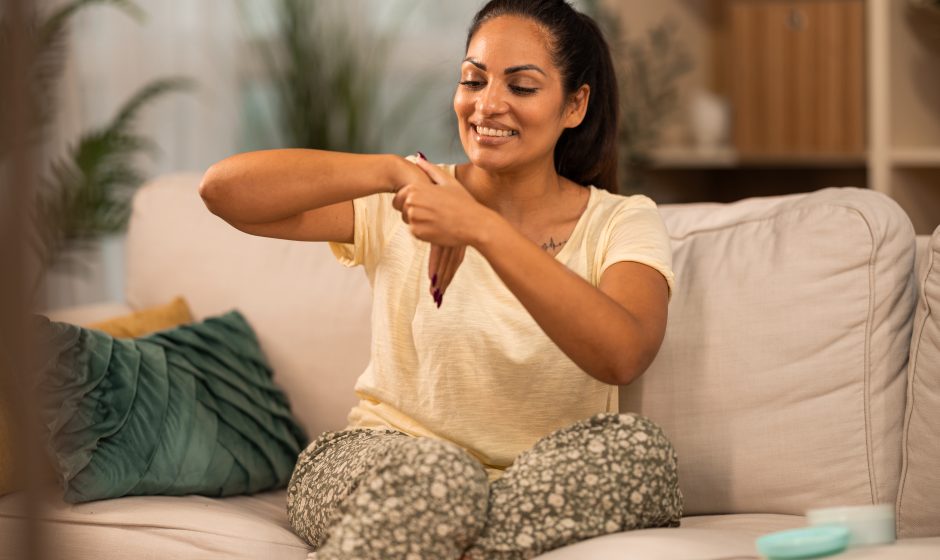

For patients managing illness, recovery, or chronic pain, daily life can be filled with physical challenges and small obstacles. Simple tasks like reaching a shelf, standing for long periods, or preparing meals can become exhausting. While medical care addresses major health concerns, practical items can make everyday activities easier, reduce strain, and provide comfort, improving quality of life and supporting recovery.
When choosing gifts or tools to ease daily discomfort, consider items that are ergonomic, convenient, and supportive, allowing patients to maintain independence and conserve energy.
1. Supportive Pillows and Cushions
Proper support can significantly reduce discomfort during rest and activity. Patients often spend long periods sitting or lying down, making supportive pillows essential.
Gift Ideas:
-
Lumbar cushions: Alleviate lower back pain during sitting.
-
Neck and contour pillows: Maintain proper cervical alignment for improved comfort.
-
Body pillows: Offer full-body support, particularly useful for side sleepers or those with joint pain.
These pillows provide both physical relief and energy conservation, helping patients rest in comfort.
2. Heating Pads and Cold Therapy Packs
Heat and cold therapy can relieve muscle tension, joint stiffness, and inflammation, offering immediate comfort during daily activities.
-
Electric heating pads: Adjustable warmth for targeted relief.
-
Microwaveable heat packs: Portable and convenient for use anywhere.
-
Cold gel packs: Reduce swelling or pain after activity.
-
Combination hot/cold wraps: Versatile relief for multiple areas.
Regular use can help patients reduce discomfort, improve mobility, and relax muscles, making daily tasks easier.
3. Ergonomic and Adaptive Tools
Everyday tasks can be exhausting for someone managing pain, fatigue, or limited mobility. Adaptive tools are thoughtful gifts that make daily living simpler.
-
Jar openers and adaptive kitchen utensils: Reduce strain on hands and wrists.
-
Reachers or grabbers: Allow patients to retrieve items without bending or stretching.
-
Non-slip slippers or supportive shoes: Provide stability and reduce risk of falls.
-
Adjustable bed trays or lap desks: Enable comfortable eating, reading, or working from bed or couch.
These items help patients maintain independence while reducing physical strain.
4. Comfortable Clothing and Accessories
Soft, non-restrictive clothing and accessories reduce irritation and enhance comfort during daily activities.
-
Loose-fitting loungewear: Reduces pressure on joints and sensitive areas.
-
Compression socks: Improve circulation and reduce swelling in legs.
-
Slip-on shoes or slippers: Minimize effort while ensuring stability and support.
-
Soft gloves or hand supports: Ease discomfort from arthritis or repetitive strain.
Comfortable clothing helps patients move with ease and reduces additional physical stress.
5. Hydration and Nutrition Aids
Staying hydrated and nourished can directly affect energy, mood, and recovery. Practical tools that simplify eating and drinking are thoughtful gifts for patients.
-
Insulated water bottles: Encourage hydration throughout the day.
-
Easy-to-grip mugs or cups: Prevent spills and reduce hand strain.
-
Smoothie makers or portable blenders: Allow quick preparation of nutritious meals.
-
Healthy snack baskets: Soft, easy-to-eat options that require minimal effort.
These items support energy management and well-being, making daily living smoother.
6. Relaxation and Stress Relief Items
Managing daily discomfort isn’t only physical; stress can amplify pain. Gifts that promote relaxation and mental comfort are incredibly supportive.
-
Aromatherapy diffusers with calming essential oils: Promote relaxation and mental clarity.
-
Guided meditation or mindfulness subscriptions: Encourage stress relief.
-
Adult coloring books or journaling kits: Creative ways to distract and soothe the mind.
-
Sound machines or calming playlists: Enhance sleep and relaxation.
Emotional comfort is a key factor in reducing perceived pain and promoting healing.
7. Entertainment and Low-Energy Activities
Even on low-energy days, mental engagement can lift spirits and reduce boredom without adding physical strain.
-
Audiobooks and podcasts: Provide enjoyable content without physical effort.
-
Streaming service subscriptions: Movies and shows for relaxation.
-
Puzzle books or simple games: Stimulate the mind without causing fatigue.
-
E-readers or tablets: Portable, lightweight, and easy to use in bed or on the couch.
These gifts help patients stay entertained, positive, and mentally active, even during challenging times.
Conclusion
Daily discomfort can make life challenging for patients recovering from illness or managing chronic conditions. Thoughtful gifts that provide physical support, convenience, relaxation, and entertainment can greatly improve quality of life.
Items like supportive pillows, heating pads, ergonomic tools, comfortable clothing, hydration aids, relaxation products, and entertainment options not only reduce strain and discomfort but also show care and consideration. By choosing practical, comfort-focused gifts, you help patients navigate daily challenges more easily, restore energy, and feel supported in their journey toward recovery and well-being.