

When someone you care about is recovering from surgery, illness, injury, or a demanding athletic event, thoughtful gifts can make a meaningful difference. Practical comfort gifts not only show support but can actively contribute to recovery. One such highly effective and underappreciated item is compression socks. Far from being a simple comfort accessory, compression socks are a purposeful gift that supports circulation, reduces swelling, and helps the body heal.
Whether the recipient is on bed rest, temporarily less mobile, or gradually regaining strength, compression socks are a useful and thoughtful gift that can improve comfort and encourage healing. This guide explores why compression socks are a practical healing gift, how they help, and tips for choosing the right pair.
What Are Compression Socks?
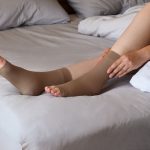
Compression socks are specially designed hosiery that applies gentle, graduated pressure to the legs. The compression is strongest at the ankle and gradually decreases toward the knee or thigh. This pressure pattern encourages blood flow back toward the heart, supports vein function, and reduces fluid buildup in the legs and feet.
Unlike regular socks, compression socks are engineered to enhance circulation. This makes them beneficial for anyone with restricted mobility, circulatory concerns, swelling, or recovery‑related discomfort. They come in a range of compression levels, lengths, and materials to suit different needs.
Why Compression Socks Make a Practical Healing Gift
Compression socks offer measurable benefits that go beyond comfort, making them a meaningful gift for someone on a healing journey.
Support Circulation and Reduce Swelling
One of the most significant benefits of compression socks is improved circulation. When blood flows more efficiently, oxygen and nutrients reach tissues more effectively. Improved circulation also helps remove metabolic waste, which can reduce swelling, stiffness, and discomfort.
This benefit is especially important for patients who spend long periods sitting or lying down during recovery. Reduced swelling in the lower legs and feet can make a noticeable difference in comfort and mobility.
Help Prevent Blood Clots
After surgery or during periods of limited mobility, patients are at a higher risk of developing blood clots in the legs, such as deep vein thrombosis (DVT). Compression socks help keep blood moving and can reduce the likelihood of clot formation. For this reason, many healthcare providers recommend their use after certain procedures or for patients with circulatory risk factors.
Alleviate Leg Fatigue and Discomfort
Compression socks provide gentle support that eases leg fatigue and aching. This makes them especially useful for recovering athletes, patients returning to light activity, or anyone who stands or walks for extended periods during recovery. Many users report reduced heaviness and improved comfort when wearing compression through daily activities.
Promote Confidence and Guest Mobility
Recovery isn’t just physical; it also impacts mood and confidence. Gifts that support comfort and independence can help a recovering individual feel more capable and cared for. Compression socks encourage gentle activity and movement, which are key components of a healthy recovery plan.
How to Choose Compression Socks as a Healing Gift
Choosing the right compression socks involves understanding the recipient’s needs, recovery stage, and comfort preferences. Here are practical tips to guide your selection:
Know the Compression Levels
Compression strength is measured in millimeters of mercury (mmHg) and indicates how much pressure the socks apply:
-
Light compression (8–15 mmHg): Best for mild support, daily comfort, and fatigue relief.
-
Moderate compression (15–20 mmHg): Good for circulation support, travel, and mild swelling.
-
Firm compression (20–30 mmHg): Often recommended for recovery after surgery, varicose veins, or more significant swelling.
-
Medical‑grade compression (30+ mmHg): Usually prescribed by a healthcare provider for chronic conditions or specific medical needs.
For a gift, moderate to firm compression is often most appropriate, but checking with the recipient or their healthcare provider first ensures the level is suitable.
Select the Right Length
Compression socks come in knee‑high, thigh‑high, and full‑leg options. Knee‑high is the most common and versatile length for general circulation and recovery support, while thigh‑high is helpful when more extensive support is needed.
Choose Comfortable, Breathable Materials
Look for socks made of moisture‑wicking, breathable fabrics. This improves comfort, prevents irritation, and makes wearing them for extended periods more pleasant. Seamless toes, cushioned heels, and soft cuffs also add comfort.
Get the Correct Size
Proper fit is essential. Socks that are too tight can restrict circulation, and socks that are too loose won’t offer adequate support. Use measurements of ankle and calf circumference to choose the right size.
Wrapping the Gift Thoughtfully
Presentation enhances the impact of your gift. Pair the compression socks with a handwritten note explaining why you chose them and how they support healing. You could also include a reusable water bottle, soothing lotion, or a soft blanket for a complete comfort package.
Final Thoughts
Compression socks are both practical and caring — a gift that supports healing in a measurable way. They help with circulation, swelling reduction, clot prevention, and leg comfort, making them ideal for anyone on a recovery journey. Thoughtfully chosen and presented, compression socks can communicate care, comfort, and encouragement during a challenging time. Whether the recipient is recovering from surgery, managing chronic leg discomfort, or simply needing improved circulation, this healing gift can make each step a little easier.