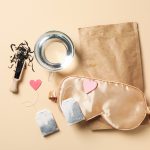



Recovering from illness, surgery, or health challenges can be physically exhausting and emotionally taxing. During this time, providing patients with relaxation-focused gifts can make a significant difference in their well-being. Creative, handmade, or personalized gifts not only soothe the body and mind but also communicate care, thoughtfulness, and encouragement.
Whether the patient is at home or in a hospital, gifts that promote calm, comfort, and mindfulness can enhance recovery and improve mood. Here’s a comprehensive guide to creative relaxation gifts for recovery, including DIY ideas, tips, and presentation suggestions.
Why Relaxation Gifts Matter
Relaxation is a key component of healing. Thoughtful gifts can:
-
Reduce Stress and Anxiety: Calm environments and comforting items help patients feel secure.
-
Support Physical Recovery: Restful sleep, relaxation, and stress reduction aid in tissue repair, immunity, and overall health.
-
Provide Emotional Comfort: Personalized gifts show patients that they are cared for and remembered.
-
Encourage Mindfulness: Creative or sensory-focused gifts help patients stay present and focused on recovery.
Relaxation gifts are especially meaningful when they combine practicality, creativity, and personalization.
1. Aromatherapy and Scented Gifts
Aromatherapy is one of the most effective ways to promote relaxation and emotional well-being.
Creative Ideas:
-
Hand-Poured Candles: Scents like lavender, vanilla, or chamomile help patients feel calm.
-
Essential Oil Roll-Ons: Blends with soothing properties, such as peppermint-lavender or eucalyptus, are portable and easy to use.
-
Herbal Sachets: Small pouches filled with dried herbs like lavender, rosemary, or mint.
-
Aromatherapy Pillow Sprays: Lightly scented sprays can promote restful sleep and relaxation.
Scented gifts provide a calming sensory experience that enhances emotional and physical recovery.
2. Comfort Textiles
Soft, tactile items offer warmth, security, and comfort—perfect for hospital beds or home recovery.
Creative Ideas:
-
Handmade Blankets or Throws: Crocheted, knitted, or sewn in soothing colors for cozy comfort.
-
Personalized Shawls or Scarves: Soft fabrics embroidered with the patient’s initials or favorite colors.
-
Fabric Eye Masks: Promote restful sleep and relaxation.
-
Small Pillows or Cushions: Soft and supportive, ideal for reading, resting, or watching TV.
Adding personal touches such as embroidery, favorite colors, or symbols creates emotional resonance.
3. Mindfulness and Creative Kits
Engaging the mind in calm, creative activities can distract from stress, promote focus, and encourage mindfulness.
Creative Ideas:
-
Adult Coloring Books and Pencils: Hand-decorated or personalized kits for calming, meditative activity.
-
Guided Journals: Include prompts for gratitude, reflections, or stress-relief exercises.
-
Meditation or Affirmation Cards: Handmade cards with inspiring quotes or relaxation prompts.
-
DIY Craft Kits: Projects like knitting, beading, or origami encourage focus and creative expression.
Mindful activities offer both emotional support and a sense of accomplishment, helping patients feel engaged during recovery.
4. Homemade Comfort Snacks and Tea Kits
Food and beverages can create a comforting ritual, making recovery more pleasant.
Creative Ideas:
-
Herbal Tea Blends: Chamomile, peppermint, or rooibos packaged in small jars.
-
DIY Granola Bars or Energy Bites: Nutritious, bite-sized treats to boost energy.
-
Homemade Cookies: Soft, lightly sweetened, and easy to eat.
-
Hot Chocolate Mixes: A soothing, indulgent treat made with natural ingredients.
Pairing snacks with tea or cocoa encourages a calming, comforting ritual that promotes emotional relaxation.
5. Sensory and Tactile Items
Engaging the senses can help patients feel grounded, reduce stress, and encourage relaxation.
Creative Ideas:
-
Weighted Neck Wraps or Eye Pillows: Filled with rice or flax seeds to relieve tension.
-
Handmade Stress Balls: Soft and easy to squeeze to release tension.
-
Fidget or Sensory Toys: Small handmade items to engage touch and help reduce anxiety.
-
Aromatherapy Neck Scarves: Combine tactile comfort with soothing scents for dual sensory benefit.
Sensory items provide a calming experience that engages the body and mind simultaneously.
6. Presentation and Personalization Tips
How you present relaxation gifts can make a huge difference in their impact:
-
Arrange items in a small basket, decorative box, or reusable bag.
-
Include handwritten notes with uplifting or encouraging messages.
-
Customize items with the patient’s favorite colors, initials, or personal motifs.
-
Combine multiple DIY gifts into a single “relaxation package” for a complete recovery experience.
Thoughtful presentation makes gifts feel special, valued, and intentional.
Tips for Successful Relaxation Gifts
-
Consider Allergies or Sensitivities: Avoid scents or materials that may trigger reactions.
-
Keep Items Manageable: Small, easy-to-use gifts are ideal for hospital or home recovery.
-
Balance Variety: Include aromatic, tactile, creative, and comfort-focused items for a well-rounded experience.
-
Prioritize Quality Materials: Soft fabrics, natural scents, and high-quality craft materials enhance the gift’s effect.
-
Include Encouraging Messages: Personal notes or inspirational quotes add emotional support.
Final Thoughts
Creative relaxation gifts for recovery offer both physical and emotional support. From aromatherapy products and comfort textiles to mindful activity kits, sensory items, and homemade snacks or teas, these gifts encourage patients to relax, recharge, and feel cared for.
Handmade or thoughtfully curated gifts communicate love, attention, and encouragement, helping patients feel valued and supported throughout their recovery journey. Thoughtful relaxation gifts make healing more comfortable, uplifting, and emotionally nurturing, providing patients with small but meaningful ways to care for themselves.