

Hospital stays, bed rest, and recovery periods can feel long and monotonous. While rest is essential for healing, boredom and idle time are common challenges patients face. One of the best ways to lighten those hours and keep the mind engaged is with puzzles. Creative puzzle gifts offer not just entertainment, but stimulation, satisfaction, and moments of joy—without requiring physical exertion.
Whether the patient prefers word games, visual challenges, or hands‑on brain teasers, thoughtful puzzle gifts can make recovery more enjoyable. These activities help pass time, reduce stress, and give patients something to look forward to each day.
Why Puzzle Gifts Are Great During Recovery
When someone is healing, puzzle activities provide unique benefits:
Mental Engagement: Puzzles activate the mind, improving focus and cognition without taxing the body.
Stress Relief: Solving challenges can calm the mind, offering distraction from pain or discomfort.
Sense of Achievement: Completing a puzzle brings satisfaction and boosts mood.
Flexible Use: Most puzzle gifts can be enjoyed in short sessions, perfect for varying energy levels.
Whether tackled solo or shared with visitors and loved ones, puzzles encourage creativity and mental stimulation—two things that can brighten a boring recovery day.
Word and Language Puzzle Gifts
Crossword Puzzle Books
Classic crossword books are timeless favorites. They engage vocabulary, memory, and pattern recognition. For patients who read comfortably, large‑print crossword editions minimize eye strain and make solving easier.
Best for: Word lovers and language enthusiasts
Why they work: Familiar format, satisfying progress, easy to start and stop
Word Search Collections
Word searches are low‑stress but engaging puzzles. Patients can enjoy them at their own pace, finding familiar words while boosting concentration.
Best for: Visual thinkers and light‑challenge seekers
Why they work: Easy engagement, no pressure, relaxing focus
Cryptograms and Riddle Books
Cryptograms and riddles offer more complex wordplay. Solving coded phrases or brain‑teasing riddles adds a playful challenge that keeps the mind sharp.
Best for: Puzzle fans who love a challenge
Why they work: Great for pattern recognition and logical thinking
Number and Logic Puzzle Gifts
Sudoku Puzzle Books
Sudoku is a popular number puzzle that can be done anywhere with just a pencil and book. Ranging from easy to advanced levels, Sudoku appeals to both beginners and seasoned solvers.
Best for: Logic thinkers and number lovers
Why they work: Keeps the mind engaged, flexible difficulty levels
Kakuro and Logic Puzzle Collections
Kakuro combines elements of Sudoku and crosswords for a fresh challenge. Other logic puzzles like KenKen or nonograms offer satisfying patterns and reasoning work.
Best for: Fans of non‑linear thinking
Why they work: Complex puzzles keep the brain active and entertained
Visual and Hands‑On Puzzle Gifts
Jigsaw Puzzles (Small to Medium)
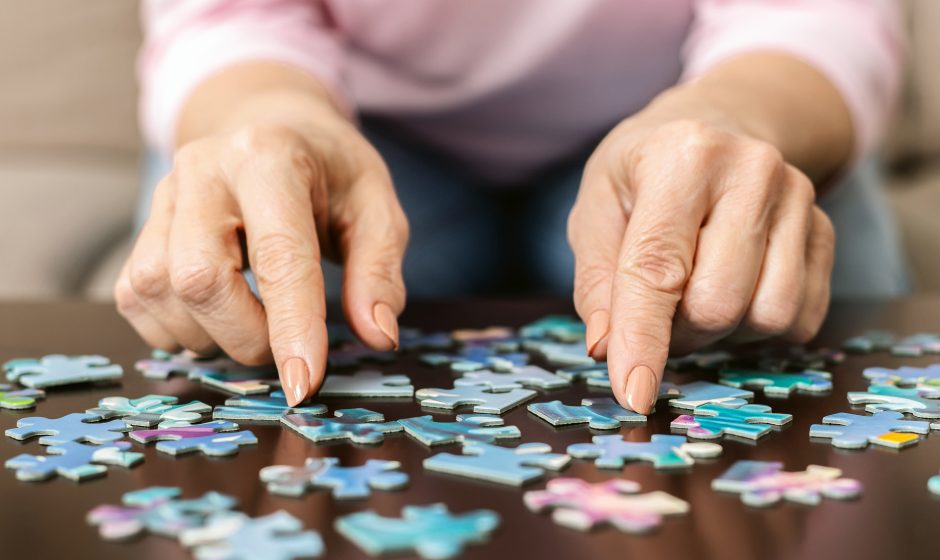
Jigsaw puzzles are immersive and visually rewarding. For patients in bed or seated, choose smaller‑piece counts (100–500 pieces) with interesting artwork, nature scenes, or calming themes. They’re meditative and tactile.
Best for: Visual and tactile learners
Why they work: Slow, rewarding progress; beautiful visuals
Doodle and Puzzle Art Books
Books that combine art and puzzles—like picture puzzles, seek‑and‑find challenges, or artistic pattern puzzles—offer creativity along with engagement.
Best for: Art lovers and creative thinkers
Why they work: Combines visual fun with mental challenge
3D Brain Teasers and Handheld Puzzles
Metal or wooden brain teasers, twist puzzles, and handheld logic toys are excellent for short bursts of engagement. These tactile gifts offer hands‑on fun without being overwhelming.
Best for: Patients who enjoy interactive challenges
Why they work: Physical engagement + mental challenge
Narrative and Interactive Puzzle Gifts
Mystery Puzzle Books
Mystery puzzle books blend storytelling with interactive puzzling. Patients follow a narrative and solve clues as the story unfolds, creating a compelling and immersive experience.
Best for: Readers who want story plus challenge
Why they work: Engages imagination and logic together
Puzzle and Trivia Games
Trivia books with brain teasers or quiz challenges are fun on their own or shared with visitors. They offer variety and can spark conversation or friendly competition.
Best for: Social moments and shared fun
Why they work: Light‑hearted mental play with others
Digital Puzzle Options (Tablets & Phones)
If patients enjoy screens or have limited mobility, digital puzzle apps offer versatile entertainment:
-
Word puzzles
-
Number challenges
-
Pattern games
-
Memory and matching games
Digital formats let patients adjust font size, difficulty, and play duration—perfect for varying energy and focus levels.
Tips for Choosing Great Puzzle Gifts
Match the Patient’s Interests: Choose puzzles that align with their hobbies or favorite genres.
Consider Vision Needs: Large‑print books reduce eye strain and make reading easier.
Vary Difficulty Levels: Offer a mix of easy and challenging options to keep engagement fresh.
Combine Puzzle Types: A bundle with word, visual, and logic puzzles keeps variety high.
Presentation Ideas That Make Gifts Extra Special
Puzzle gifts are even more thoughtful when presented as a comfort bundle. Consider pairing:
-
Puzzle books with quality pencils or erasable markers
-
A cozy lap desk or clipboard for easy solving in bed
-
A bookmarked journal for notes or reflections
-
A box of tea, snack, or small treat to enjoy while solving
A handwritten note expressing care and encouragement adds a meaningful personal touch.
Final Thoughts
Creative puzzle gifts are a thoughtful way to keep patients engaged, entertained, and mentally stimulated during recovery. Whether it’s word games, number challenges, visual puzzles, or narrative mysteries, there’s a type of puzzle to suit every interest and energy level. These gifts don’t just occupy time—they spark joy, boost mood, and help the mind stay active and curious.
In the quiet moments of healing, a good puzzle can be more than entertainment—it can be a welcome companion on the road to recovery.