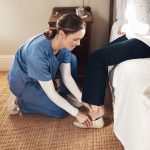


When someone is recovering from surgery, illness, or injury, comfort becomes a central part of the healing process. Patients often spend more time moving slowly, standing briefly, or taking short walks around the house or hospital room for circulation. In these moments, cozy, supportive slippers are more than just a comfort item—they are a practical tool that can protect sensitive feet, prevent slips, and ease everyday movement.
Choosing the right slippers for a patient can improve safety, increase comfort, and provide just the right amount of warmth and cushioning. Whether the person is recovering at home, in a rehabilitation facility, or in a hospital recovery room, a thoughtful pair of slippers can become a daily source of relief and comfort.
Why Slippers Matter for Recovery
Patients in recovery often have increased sensitivity, reduced mobility, or vulnerable balance. Hard floors, cool tiles, and slippery surfaces can make barefoot walking unsafe and uncomfortable. Standard socks may not provide enough grip or protection. Cozy slippers bridge this gap by offering:
Warmth and softness: Healing bodies often feel colder than usual, and warm feet can promote comfort and relaxation.
Non‑slip grip: Slippers with proper traction help prevent slips and falls, which is especially important for patients with balance issues.
Cushioned support: Soft yet supportive footbeds can relieve pressure on sore joints, heels, or arches, which is beneficial for patients with swelling or tenderness.
Ease of use: Slip‑on designs and wide openings make it easier for patients with limited mobility or post‑surgical discomfort to put slippers on without bending or straining.
These benefits contribute to a safer, more pleasant recovery environment and help patients feel more confident during everyday movement.
Key Features to Look for in Recovery Slippers
Not all slippers are created equal. When selecting a pair for someone in recovery, there are specific features that make certain options better suited for comfort and safety:
1. Non‑Slip Soles
Floors in hospitals or homes can be smooth and slippery. Slippers with rubberized or textured soles provide essential traction, helping prevent dangerous slips and falls.
2. Easy Entry
Wide openings, back‑less designs, or stretchable uppers make it easier for patients to put on and take off slippers without bending over or requiring help.
3. Supportive Footbeds
While extra‑soft slippers feel comforting, a supportive footbed can help distribute weight evenly and reduce pressure on sensitive areas. Memory foam or padded insoles are ideal for patients needing comfort with slight support.
4. Breathable Materials
Patients may have swelling or sensitive skin, so breathable materials like cotton, wool blends, or soft fleece help regulate temperature and reduce irritation.
5. Washable or Easy‑Clean Designs
Recovery can be messy, and slippers that are machine washable or easy to wipe clean make maintenance simple and hygienic.
Types of Slippers Ideal for Recovery
Here are some of the most helpful slipper styles for patients in recovery:
Slip‑On Moccasin and Bootie Slippers
These have closed toes and often offer warmth around the entire foot. They are easy to slip into and typically come with cushioned insoles for comfort.
Open‑Back Slide Slippers
Great for patients who prefer a lightweight feel and easy entry. These slippers have a backless design, so they slide on quickly without bending.
Memory Foam and Padded Sole Slippers
Perfect for anyone with tender feet or joint discomfort. Memory foam adapts to the contour of the foot, providing a plush sensation while reducing pressure points.
Orthopedic or Supportive Slippers
Designed with added arch support and firm cushioning, these are suitable for patients with foot pain, plantar fasciitis, or arthritis.
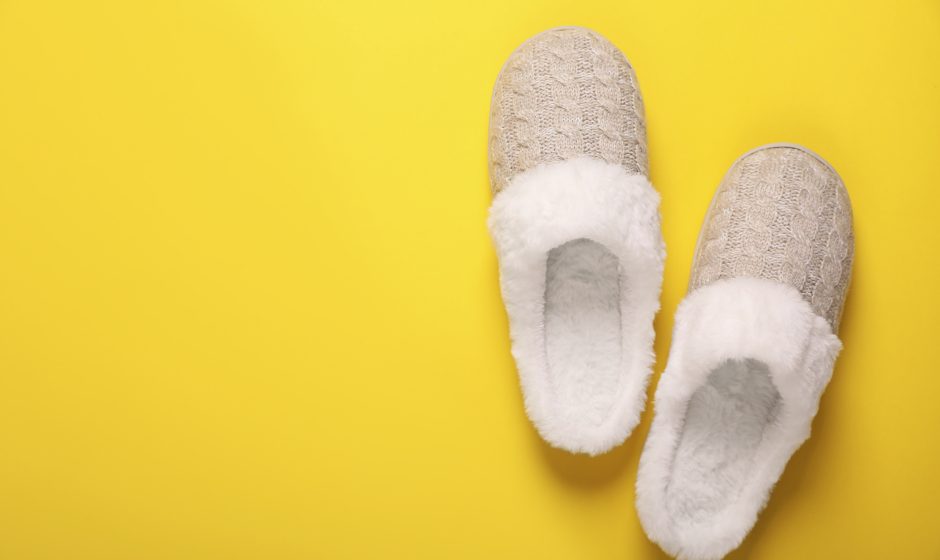
Warm Fleece or Sherpa‑Lined Slippers
Ideal for colder climates or patients who feel chilly due to slowed circulation. These slippers provide extra warmth and a comforting feel.
Thoughtful Gift Ideas and Pairings
Slippers are already a thoughtful gift, but pairing them with complementary items can make the present even more comforting:
Soft Blanket or Throw: Adds warmth and coziness for resting or napping.
Comfort Socks: Breathable socks to wear under slippers for extra warmth.
Foot Cream or Lotion: Helps soothe dry, sensitive skin.
Slipper Storage Bag: Keeps slippers clean and easy to find, especially during hospital stays.
When gifting, include a handwritten note expressing care and well‑wishes. A simple message reminding the recipient to “take time for comfort and rest” can make the gift feel personal and comforting.
Tips for Using Slippers in Recovery
To ensure comfort and safety, keep these tips in mind:
-
Always choose the right size. Slippers that are too loose can cause tripping, while overly tight slippers can restrict circulation.
-
Check soles regularly. Worn‑down soles lose traction and should be replaced to maintain safety.
-
Encourage regular breaks. Even with comfortable slippers, long periods of sitting without movement can affect circulation; gentle walks (as approved by a healthcare provider) help.
Final Thoughts
Cozy slippers are more than a comfort accessory for patients in recovery—they are a supportive tool that blends safety, warmth, and ease. The right pair provides stability on slippery floors, cushioned steps for tender feet, and a sense of homelike comfort during what can be a challenging time.
Choosing slippers with non‑slip soles, supportive cushioning, easy entry, and soft materials shows attention to the practical needs of recovery. Whether for a loved one recovering at home or in a clinical setting, cozy slippers are a thoughtful and useful gift that nurtures comfort with every step.