

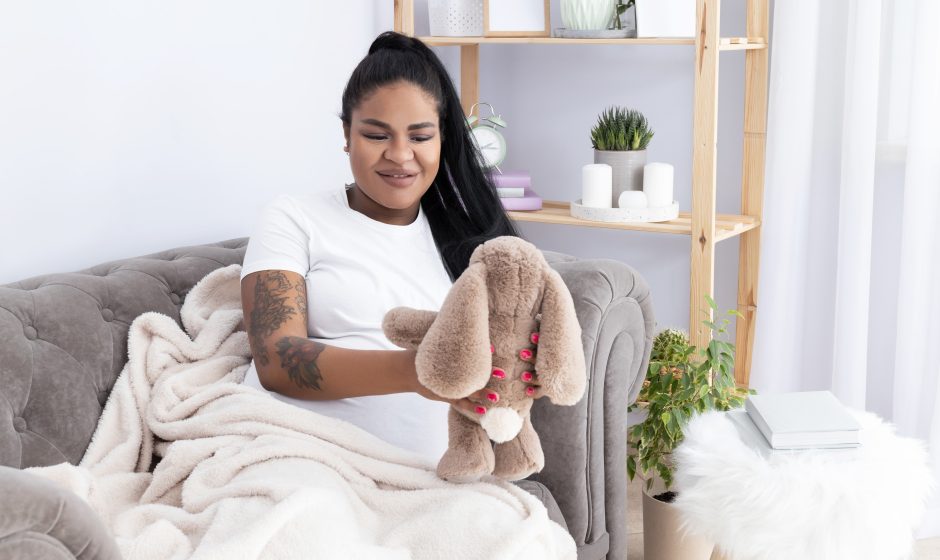

Undergoing medical treatment can be a stressful and anxiety-inducing experience. Whether it’s a routine procedure, a long-term therapy, or a hospital stay, patients often face fear, uncertainty, and physical discomfort. Anxiety can affect both mental and physical health, sometimes even slowing recovery. While medical professionals focus on treating the condition, comfort items play a crucial role in providing emotional support and reducing stress. Thoughtful gifts that offer relaxation, reassurance, and distraction can help patients feel calmer, more secure, and better equipped to manage treatment.
Here are some comfort items that effectively ease anxiety during medical care and make the treatment journey more manageable.
Soft and Cozy Items
Physical comfort is closely linked to emotional well-being. When patients feel physically at ease, it often translates into reduced stress and anxiety.
-
Plush blankets and throws: A soft blanket can provide warmth, security, and a sense of comfort during treatment sessions or hospital stays. Weighted blankets, in particular, have a gentle, calming effect on the nervous system, reducing feelings of anxiety.
-
Supportive pillows and cushions: Memory foam or ergonomic pillows can make sitting or lying down more comfortable, helping patients relax during long treatments or hospital visits.
-
Comfortable loungewear and socks: Cozy robes, soft pajamas, and non-slip socks improve overall comfort and allow patients to feel more at ease and relaxed.
By making the physical environment more inviting, these items create a calming atmosphere that supports emotional well-being.
Sensory and Relaxation Tools
Sensory items and relaxation tools help patients focus, breathe, and redirect their attention away from anxiety or discomfort. These gifts provide soothing experiences that encourage calmness.
-
Aromatherapy diffusers and essential oils: Scents like lavender, chamomile, or eucalyptus can help reduce stress, ease tension, and create a tranquil environment.
-
Stress-relief items: Fidget blankets, stress balls, or sensory toys give patients a physical outlet for anxious energy, helping them feel grounded and focused.
-
Eye masks and earplugs: These items help block light and noise during treatments, creating a peaceful environment conducive to relaxation.
-
Guided meditation apps or audio tools: Mobile apps that provide breathing exercises, guided meditations, or calming soundscapes can help patients regulate emotions and reduce anxiety during stressful procedures.
These sensory tools allow patients to take an active role in managing their mental state, offering comfort and emotional stability.
Inspirational and Encouraging Gifts
Emotional reassurance is key to helping patients feel supported. Gifts that inspire hope and positivity can reduce anxiety and boost morale.
-
Motivational books or devotionals: Stories of resilience, spiritual guidance, or uplifting quotes can encourage patients to stay positive and focused on healing.
-
Journals: Personalized journals provide a safe space for patients to write about their feelings, track progress, or practice gratitude, promoting emotional well-being.
-
Handwritten letters or cards: Personal notes from loved ones offer comfort and remind patients they are cared for, which can significantly ease feelings of isolation or fear.
These gifts nurture the mind and spirit, helping patients manage emotional stress during treatment.
Engaging Activities for Distraction
Distraction is a powerful tool for managing anxiety. Keeping patients mentally engaged helps reduce stress and improves overall treatment experiences.
-
Puzzle books and brain teasers: Crossword puzzles, Sudoku, and word searches stimulate the mind while providing a sense of accomplishment and focus.
-
Adult coloring books and art kits: Creative activities allow patients to express themselves, relax, and divert attention from anxiety.
-
Audiobooks, podcasts, or music playlists: Entertainment options provide comfort and mental engagement, creating a calming, positive environment during treatment sessions.
Engaging activities occupy the mind, reducing worry and promoting emotional resilience.
Personalized Comfort Items
Personalized gifts create emotional connections and reinforce a sense of care and support. These items show patients that they are loved and thought of, offering reassurance during stressful moments.
-
Custom blankets, pillows, or mugs: Personalized items with names, motivational quotes, or comforting messages serve as daily reminders of support and encouragement.
-
Photo frames or albums: Displaying family photos, cherished memories, or motivational quotes can help patients feel connected and emotionally grounded.
-
Memory boxes or keepsakes: Collecting letters, notes, or small mementos provides patients with instant access to emotional support whenever needed.
Personalized comfort items strengthen emotional bonds, helping patients feel secure and valued during treatment.
Care Packages for Comprehensive Support
Care packages combine multiple comfort items to provide holistic support. A well-curated package may include:
-
Soft blankets, slippers, or loungewear
-
Aromatherapy oils or calming teas
-
Journals, motivational books, or devotional texts
-
Puzzle books, coloring kits, or audio entertainment
-
Handwritten notes or personalized keepsakes
Care packages offer repeated moments of comfort and reassurance, making patients feel nurtured and supported throughout their treatment journey.
Conclusion
Managing anxiety during treatment is as important as addressing physical health. Comfort items that provide warmth, relaxation, distraction, and emotional support can make a meaningful difference in a patient’s experience, helping reduce stress and promote well-being.
From soft blankets and supportive pillows to sensory tools, inspirational gifts, engaging activities, and personalized keepsakes, each present can help patients feel more secure, relaxed, and emotionally supported. Care packages that combine these elements are especially impactful, offering ongoing comfort and encouragement.
By thoughtfully selecting comfort items, caregivers, friends, and family can help patients navigate medical treatments with calm, confidence, and positivity—making the recovery process more manageable and emotionally fulfilling.