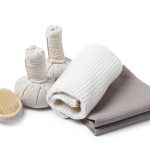



When someone you care about is recovering at home—whether from surgery, illness, injury, or a medical procedure—the right gifts can make a major difference. Thoughtful presents not only provide physical comfort but also emotional support, distraction, and encouragement during those first critical days of healing. While recovery is a deeply personal journey, the gifts below are universally appreciated because they help ease discomfort, promote mobility, uplift spirits, and create a more soothing environment.
1. Comfort Essentials for Rest and Relaxation
Comfort is foundational to early recovery. After medical treatment, patients often feel tired, achy, or restless, and the right comfort items can make resting much more pleasant.
Soft Blankets and Throws
A cozy, lightweight blanket brings warmth and a sense of security. Materials like fleece or plush microfiber are ideal for snuggling during daytime naps or overnight rest.
Ergonomic Pillows
Hospital pillows or standard home pillows may not provide enough support after surgery. Memory foam or contour pillows help relieve pressure on the neck, back, and joints while promoting better sleep.
Comfortable Loungewear
Soft, easy‑to‑wear clothing—like loose pajamas, robes, or breathable sweat sets—makes dressing simple and keeps patients comfortable without irritation or pressure on sensitive areas.
2. Practical Tools That Promote Independence
Recovery often comes with limited mobility. Practical gifts that support independence reduce frustration and help loved ones feel more self‑sufficient.
Reacher/Grabber Tools
These long‑handled tools allow patients to pick up objects without bending or stretching, easing strain and preventing accidental injury.
Adaptive Utensils and Easy‑Grip Cups
For someone with limited hand strength, specially designed utensils and ergonomic mugs make eating and drinking far easier and more enjoyable.
Non‑Slip Accessories
Non‑slip socks for walking around the house, bath mats for the bathroom, or grip‑enhanced gloves can improve safety and confidence as someone regains strength.
3. Entertainment to Lift the Mood
Healing is mentally and emotionally taxing. Engaging entertainment helps distract from discomfort, ease boredom, and lift spirits during rest periods.
Books and Audiobooks
Books remain timeless companions. For those with eye strain or limited energy, audiobooks are a perfect alternative, allowing patients to enjoy stories without physical effort.
Jigsaw Puzzles and Brain Games
Puzzles, crossword books, Sudoku, and trivia cards keep the mind active without strenuous physical movement, providing both challenge and joy.
Streaming or Subscription Services
A preloaded tablet, movie subscription, or streaming service access lets patients watch favorite shows, movies, or concerts—an easy way to relax and unwind.
4. Soothing Sensory Gifts
A calming environment supports both emotional wellbeing and physiological healing. Sensory gifts create a gentle atmosphere that fosters relaxation.
Aromatherapy Diffusers (with approval)
Calming essential oils like lavender or eucalyptus (used safely and approved by caregivers) can reduce anxiety and improve sleep quality.
Sound Machines
Gentle background sounds—ocean waves, rain, wind chimes—create a tranquil ambience that can reduce stress and encourage deeper rest.
Weighted or Soft Comfort Items
Weighted blankets offer soothing pressure that can reduce restlessness and anxiety, while plush stuffed companions bring emotional comfort, especially for older adults and children alike.
5. Personal Care and Hygiene Items
During recovery, maintaining personal comfort and cleanliness boosts mood and helps patients feel more “normal.”
Moisturizers and Lip Balms
Hospital air or home heating/cooling systems can dry skin. A good moisturizer and gentle lip balm help prevent cracking and irritation.
Easy‑Use Toiletry Kits
Travel‑size shampoo, body wash, facial wipes, and dry shampoo help patients stay refreshed without the need for full showers.
Comfortable Toothbrush and Oral Care Items
Soft‑bristle toothbrushes, mouthwash, and dental care products make daily hygiene gentler and more enjoyable.
6. Connection and Encouragement Gifts
Emotional support is a cornerstone of healing. Gifts that foster connection remind patients that they are valued and loved.
Photo Frames or Memory Albums
Pictures of friends, family, and pet moments offer uplifting reminders of home and support.
Handwritten Notes or Encouragement Cards
Messages of love, support, and encouragement often become treasured keepsakes that lift spirits on tough days.
Contactless Visit Tools
Simple items like portable phone stands or tablet holders make video calls easier and more comfortable, keeping loved ones connected even from afar.
Conclusion
Choosing a gift for someone in early recovery is not about how much you spend—it’s about thoughtfulness and understanding their needs. The best gifts provide physical comfort, support independence, offer entertainment, soothe the senses, and strengthen emotional connection. Whether it’s a cozy blanket that brings warmth, a puzzle that eases boredom, or a heartfelt note that brings tears of gratitude, each thoughtful present contributes to healing and comfort.
In those early days of recovery, even small gestures can leave a lasting impact—offering reassurance, distraction, comfort, and hope as your loved one regains strength and wellness.