

Recovery — whether from surgery, illness, injury, or a medical procedure — is a time when comfort matters more than ever. In these moments, the clothing you wear can significantly impact how you feel physically and emotionally. Loose fits, soft fabrics, and functional design aren’t just niceties — they help reduce irritation, promote ease of movement, and make daily tasks more comfortable.
Thoughtful clothing choices can ease dressing and undressing, accommodate medical devices or bandages, and support swelling, limited mobility, or sensitive skin. In this guide, we highlight the best types of clothing for comfort during recovery, what features to look for, and why these pieces make healing days a little easier.
Why Clothing Comfort Matters for Recovery
During recovery, patients often deal with:
-
Limited mobility
-
Swelling or sensitivity in certain areas
-
Temperature fluctuations
-
Medical dressings, catheters, or monitoring devices
-
Pain when changing positions
Clothes that feel soft, flexible, and easy to wear help reduce daily discomfort. They can improve rest, make personal care simpler, and let patients focus on healing instead of pulling at stiff seams or tight waistbands.
Top Clothing Essentials for Comfort During Recovery
Here are key categories of clothing that offer comfort, functionality, and ease of use.
1. Soft, Breathable Lounge Sets
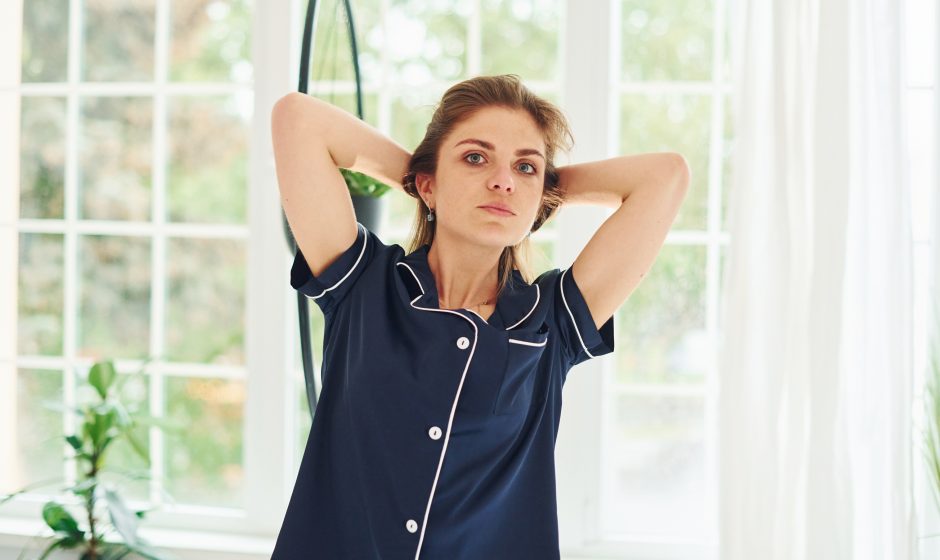
Comfortable lounge sets are the foundation of a recovery wardrobe. Choose sets made from breathable materials like cotton, modal, rayon, bamboo, or soft jersey. These fabrics wick moisture, reduce irritation, and feel gentle against the skin — ideal for bed rest and in‑between activity days.
Why they’re great:
-
Soft fabric won’t rub sensitive skin
-
Breathability reduces overheating and sweating
-
Loose fit accommodates swelling or temporary weight changes
Look for sets with elastic waistbands and roomy tops for maximum comfort.
2. Button‑Front and Zip‑Front Tops
Tops with front closures are easier to put on and take off than pull‑overs, especially when mobility is limited, or arms are sore. Button‑front shirts, zip‑front hoodies, or cardigans provide comfort and control, making dressing simpler without strain.
Best for:
-
Post‑surgical recovery
-
Shoulder or arm discomfort
-
Patients who need easy access for medical care
When closures are smooth and low‑profile, they also reduce pressure against restive areas.
3. Elastic‑Waist Pants or Drawstring Bottoms
Pants with elastic waistbands or drawstrings are far more comfortable than rigid waistbands during recovery. They avoid pinching at the abdomen and make toileting, dressing, and sleeping easier.
Ideal options include:
-
Joggers with soft cuffs
-
Lounge pants with elastic waist
-
Pull‑on shorts that stay secure without tightness
Soft, stretchy waistbands provide comfort without limiting circulation — especially helpful after abdominal procedures or when swelling fluctuates.
4. Front‑Closure Bras or Comfortable Bralettes
For patients recovering from breast surgery, chest discomfort, or upper‑body tenderness, front‑closure bras or soft bralettes are game‑changers. These designs avoid over‑the‑head movements and minimize pressure on sensitive areas.
Benefits:
-
Easier to put on without raising arms
-
Gentle support without underwires
-
Comfortable for prolonged wear
Look for stretchable materials and wide straps for added comfort.
5. Adaptive and Easy‑Wear Footwear
Soft slippers or supportive slip‑on shoes are essential for walking safely and comfortably during recovery. Choose styles with cushioned footbeds, non‑slip soles, and easy on/off entry.
Good choices include:
-
Slide‑on slippers with grips
-
Adjustable strap shoes
-
Cushioned clogs
Comfortable footwear provides stability when getting up for short walks, bathroom trips, or light physical therapy.
6. Temperature‑Regulating Layers
Patients often feel temperature fluctuations — from fever to chills. Temperature‑regulating layers like lightweight cardigans, soft shawls, or breathable wraps help patients adjust warmth without overheating.
When fabrics are breathable and flexible, layering becomes easy and comfortable throughout changing recovery needs.
Features That Make Clothing Recovery‑Friendly
When shopping for recovery clothing, look for these features:
Soft, Natural Fabrics: Cotton, bamboo, modal, and blends that are gentle on the skin.
Stretch and Flexibility: Spandex or stretch‑knit elements allow movement without resistance.
Easy Access for Medical Needs: Front openings, wide necklines, or removable pieces help medical staff access needed areas.
No Scratchy Seams or Tags: Smooth finishes help prevent chafing on sensitive skin.
Washable and Easy Care: Machine‑washable items reduce maintenance and make daily wear more convenient.
Tips for Building a Recovery Wardrobe
Choose Multiple Sets: Soft outfits that can be changed easily make laundry cycles less stressful.
Prioritize Comfort Over Style: Healing is a priority — comfort always comes first.
Mix and Match: Choose pieces that coordinate for variety without discomfort.
Consider Climate: Lightweight fabrics for warm weather, cozy layers for colder climates.
Consult Needs: Some recoveries require specific adaptive clothing — check with caregivers if unsure.
Final Thoughts
Comfortable clothing is an invaluable part of recovery — it supports mobility, eases daily routines, and reduces unnecessary discomfort. From soft lounge sets and elastic‑waist pants to easy‑close tops and cozy footwear, the right wardrobe choices help patients feel cared for and supported.
Healing is easier when your clothes work with you instead of against you. Thoughtful clothing that prioritizes comfort isn’t just practical — it’s a form of self‑care that nurtures both the body and the spirit during recovery.