

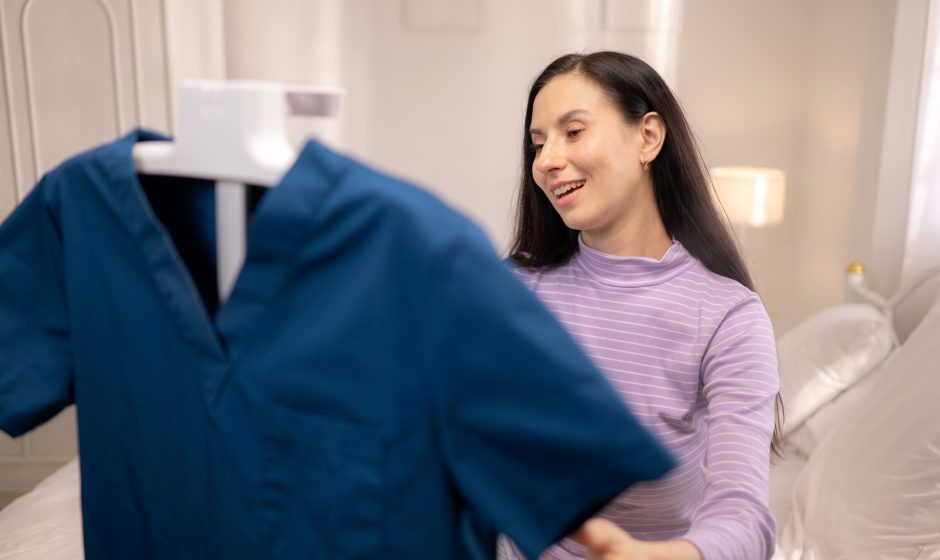

Recovery periods—whether from surgery, illness, injury, or extended bed rest—can be physically and emotionally challenging. During this time, clothing that prioritizes comfort, function, and ease of wear can make a significant difference. Instead of tight waistbands, stiff collars, or complicated closures, patients need clothes that accommodate limited mobility, sensitive skin, medical tasks, and changing body needs. Thoughtfully chosen outfits can reduce frustration, boost mood, and support healing by simplifying everyday tasks like dressing, resting, moving, and caregiving.
In this guide, we explore the top practical recovery outfits for patients—from soft lounge sets and adaptive tops to easy‑wear pants and thoughtful layering pieces—so patients can feel supported and comfortable throughout their healing journey.
Why Practical Clothing Matters During Recovery
A recovery wardrobe isn’t about fashion—it’s about comfort, accessibility, and function. During recovery, patients may experience:
-
Limited mobility and range of motion
-
Swelling or sensitivity around surgical sites
-
Need for easy medical access for dressings or monitoring
-
Temperature fluctuations
-
Fatigue that makes dressing feel tiring or uncomfortable
Clothing that adapts to these needs can ease stress, support independence, and enhance comfort. The right outfit can help patients get dressed with minimal effort, accommodate medical devices or bandages, and avoid pressure on sensitive areas.
Key Features to Look for in Recovery Clothing
Before we get into specific outfit ideas, here are practical features to prioritize:
Soft, Breathable Fabrics: Natural fibers like cotton, bamboo, and modal are gentle on sensitive skin and help regulate temperature.
Loose, Flexible Fit: Clothing with room to move and stretch accommodates swelling and reduces irritation.
Easy Closures: Front‑button shirts, zip‑ups, and wide necklines make dressing and undressing easier for both patients and caregivers.
Adjustable Waistbands: Elastic or drawstring waists eliminate pressure on the abdomen and make toilet use simpler.
Minimal Seams and Tags: Smooth finishes reduce chafing and irritation.
Machine Washable: Recovery often involves spills or light accidents; easy‑care clothing makes laundering simple.
Top Practical Recovery Outfits for Patients
Here are clothing ideas that combine comfort, accessibility, and thoughtful design:
1. Soft Lounge and Pajama Sets
Soft lounge sets made from breathable materials are foundational for recovery. Choose sets with loose‑cut tops and elastic‑waist pants that don’t press against the torso. These outfits are ideal for resting, sleeping, and light movement around the home.
Look for sets with:
-
Stretchy tops and pants
-
Breathable fabric that reduces overheating
-
Relaxed silhouettes that accommodate changes in body size
These outfits are great for hospital stays, home rest, and days when comfort is the top priority.
2. Front‑Closure Tops and Shirts
Tops with button fronts, zip fronts, or wrap designs make dressing much easier—especially for patients who cannot raise their arms easily or who need frequent vitals checks. These tops are practical for recovery from shoulder, chest, or upper‑body procedures.
Benefits include:
-
Easy access for medical care
-
Less need to raise arms over the head
-
Comfortable and non‑restrictive fit
Pair these tops with comfortable pants or lounge bottoms for a complete outfit.
3. Pull‑On Pants with Elastic or Drawstring Waistbands
Daytime bottoms should be easy to pull on and off without bending or tugging. Elastic waistbands and drawstring styles offer gentle, adjustable comfort. Avoid stiff buttons or tight waistbands that can dig into the abdomen or cause discomfort.
Ideal options include:
-
Soft joggers with tapered cuffs
-
Loose cotton pants
-
Drawstring lounge bottoms
These styles allow patients to feel secure without restriction and make toileting easier.
4. Adaptive Dresses and Wraps
For patients who prefer dresses or tunics, adaptive designs like wrap dresses or front‑tie tops offer easy dressing and access where needed. Wrap styles open fully at the front, making them easier to put on and take off without lifting arms excessively.
Great features include:
-
Adjustable closures
-
Gentle draping fabric
-
Roomy silhouettes
Pair with soft leggings for warmth and comfort when mobility is limited.
5. Comfortable Undergarments and Layering Pieces
Supportive undergarments like soft bralettes or front‑closure bras can make a big difference, particularly after chest or upper‑body procedures. They provide gentle support without restrictive bands or underwires.
Layering with a light cardigan or zip‑up hoodie adds warmth and makes it easy to adjust comfort through temperature changes.
6. Slip‑On Footwear and Slippers
Recovery often involves short walks to the bathroom or around the home. Supportive, easy‑slip‑on footwear with non‑slip soles can reduce the risk of slips and improve stability.
Good choices include:
-
Non‑skid slippers with cushioned footbeds
-
Adjustable strap slip‑ons
-
Supportive clogs
These shoes offer warmth, traction, and comfort without pressure on sensitive areas.
Tips for Building a Recovery Wardrobe
Here are a few practical tips:
Choose Multiples: Having several soft sets means less laundry stress.
Match by Climate: Lightweight breathable pieces in warm months; cozy layers in cooler seasons.
Plan for Accessibility: Choose tops and bottoms with easy openings for medical access.
Prioritize Comfort Over Fashion: Healing comes first; comfort should guide choices.
Final Thoughts
Comfortable, practical clothing is more than a convenience during recovery—it’s part of the healing process. When wardrobes are chosen with care, everyday tasks like dressing, resting, and moving around become easier and less stressful. From soft lounge sets and front‑closure tops to easy‑wear pants and cozy footwear, thoughtful outfit choices help patients feel supported, comfortable, and confident as they focus on getting better.
Clothing that prioritizes comfort, mobility, and ease of use is a gentle yet powerful way to nurture healing—one outfit at a time.