

Hospital stays, whether planned or unexpected, often involve long hours on your feet during walks for physical therapy, sitting for extended periods, and frequent transitions between bed, chair, and bathroom. In these circumstances, comfortable, supportive footwear isn’t a luxury — it’s a necessity. The right pair can promote better balance, reduce pain in tired muscles and joints, prevent slips, and make movement safer and more comfortable throughout the recovery period.
For patients in recovery, standard everyday shoes may not provide the stability, cushioning, or ease of use needed. Floor surfaces in hospitals and recovery rooms are often hard and smooth, which increases the risk of slipping or discomfort. That’s why carefully selected footwear — designed for comfort, support, and ease — is one of the most thoughtful and practical comfort investments for anyone facing a hospital stay or home recovery.
Why Comfortable Footwear Matters for Hospital Patients
Footwear plays a key role in daily comfort and mobility during recovery. Many patients experience reduced circulation, swelling, stiffness, or muscle fatigue. Shoes that lack support or cushioning can make these issues worse.
Comfortable footwear helps by:
Supporting Balance and Stability: Shoes with non‑slip soles and good traction reduce the risk of falls.
Reducing Joint Stress: Cushioned insoles help absorb pressure on knees, hips, and lower back.
Encouraging Mobility: Supportive shoes make short walks and physical therapy easier and more comfortable.
Improving Circulation: Shoes that are roomy and breathable help prevent constriction and swelling.
Enhancing Comfort Between Rest Breaks: Comfortable footwear makes transitions easier and reduces discomfort during long stays.
For patients walking slowly, moving between rooms, or doing light therapeutic exercises, the right footwear can make every step easier.
Key Footwear Features to Look For
Before diving into specific options, here are some features that make footwear ideal for hospital stays and recovery:
Non‑Slip Soles: Traction and grip on smooth floors improve safety.
Cushioned Insole: Reduces pressure on joints and supports comfort for longer walks.
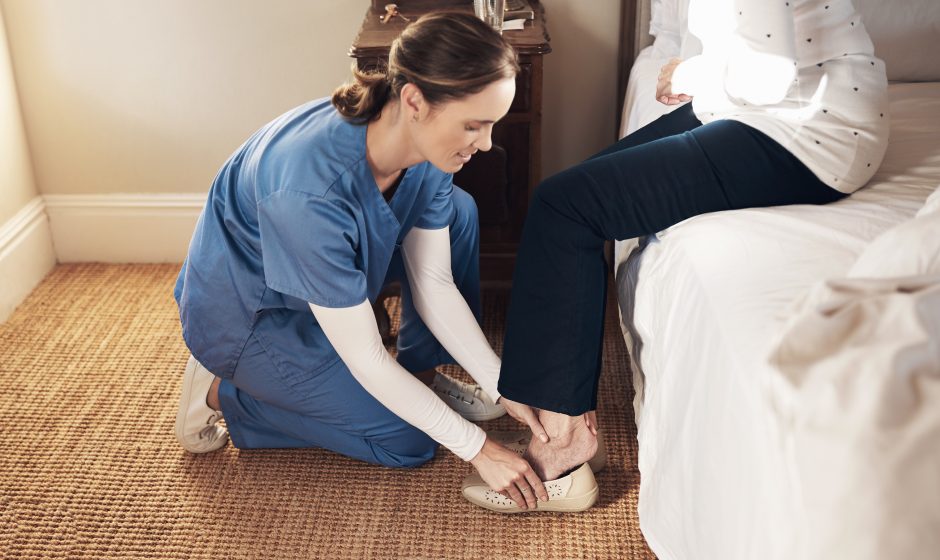
Easy Entry and Closure: Velcro straps, wide openings, or slip‑on designs make shoes easy to put on and remove — especially important for patients with limited bending mobility.
Roomy Toe Box: Provides space for swelling and avoids pinching.
Breathable Materials: Keeps feet dry, reduces irritation, and improves comfort during long wear.
Lightweight Construction: Less tiring to wear for extended periods.
Top Comfortable Footwear Options for Hospital Stays
Below are some of the most recommended types of footwear that combine comfort, safety, and practicality for patients.
Supportive Slip‑Ons and Comfort Shoes
Supportive slip‑on shoes are ideal for patients who need cushion, stability, and easy on/off. They are particularly helpful for those with limited mobility or who cannot bend easily.
Features to look for:
-
Elastic or stretch upper
-
Cushioned insole
-
Non‑skid sole
-
Lightweight design
These shoes provide a secure fit without needing to tie laces, making them excellent choices for everyday walking between bed, bathroom, and therapy sessions.
Non‑Slip Hospital Slippers
Hospital slippers are designed with safety and comfort in mind. They typically have non‑slip soles, soft uppers, and flexible design to make short walks less tiring.
Best for:
-
Patients resting or walking short distances
-
Use around the room or bathroom
-
Quick, comfortable wear
Look for slippers with cushioned footbeds and secure fit to prevent slipping. Closed‑toe versions are often safer than open‑toe designs.
Orthopedic and Supportive Sneakers
For patients who must walk longer distances, are engaging in physical therapy, or have joint pain, supportive athletic shoes with orthotic insoles are ideal. These provide excellent arch support, heel cushioning, and enhanced stability.
Benefits include:
-
Reduced pain in feet and knees
-
Better balance and control
-
Comfort over longer distances
Make sure these sneakers have non‑slip soles and sufficient cushioning to make walking comfortable even on hard hospital floors.
Adjustable Strap Sandals
Adjustable strap sandals can be excellent for patients with swelling, sensitive feet, or bandaged toes. They allow for custom fit and ventilation while providing sturdy support.
Good features:
-
Adjustable Velcro or buckle straps
-
Soft padded lining
-
Arch support
-
Grippy sole
These are especially useful for warm climates or patients who feel uncomfortable in fully enclosed shoes.
Orthotic Booties and Recovery Footwear
Orthotic booties or recovery footwear are designed with extra cushioning and support for people who spend long periods upright or transitioning between rest and light activity. These often have memory foam, arch support, and structured heel cups.
Useful for:
-
Extended walking or standing recovery routines
-
Patients with plantar fasciitis or heel pain
-
Comfortable everyday wear around the hospital or home
Tips for Choosing the Right Pair
Measure Feet While Standing: Feet naturally spread and flatten when bearing weight. Choosing shoes using standing measurement ensures a better everyday fit.
Choose Breathable Materials: Avoid shoes that trap moisture, as this can increase irritation or discomfort.
Ensure a Roomy Toe Box: Especially helpful if swelling is expected.
Check Safety Features: Always prioritize non‑slip soles on smooth floors such as hospital corridors.
Encourage Breaks: Even with comfortable footwear, remind patients to rest frequently to avoid fatigue.
Final Thoughts
Comfortable footwear is more than a convenience during a hospital stay — it’s a practical tool that supports safety, mobility, and recovery. From supportive slip‑ons and non‑slip slippers to orthopedic sneakers and adjustable sandals, the right pair of shoes can make every step easier, reduce strain on joints, and build confidence in movement.
When choosing footwear for a patient, focus on stability, cushioned support, breathable material, and ease of use. Thoughtfully selected, comfortable footwear can transform a challenging recovery period into one that feels more secure, supported, and comfortable.