

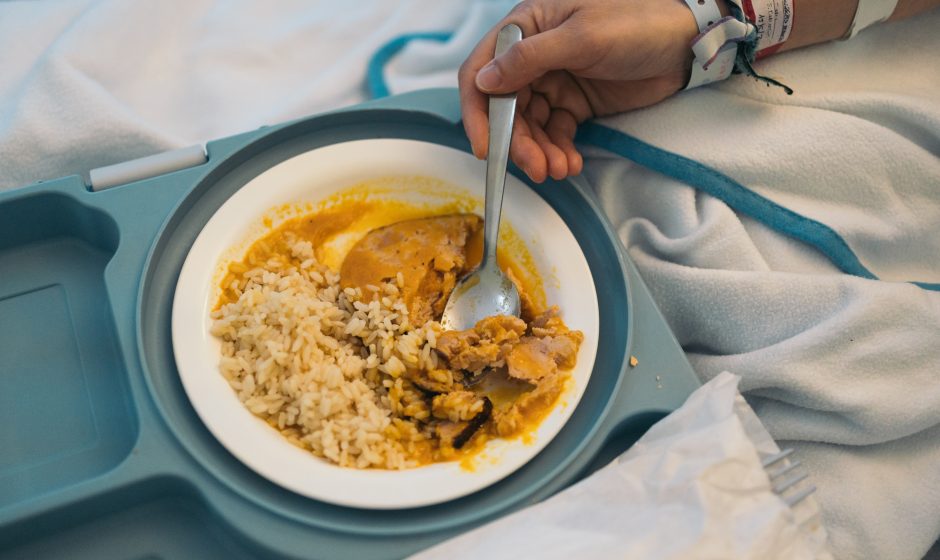

Hospital stays and recovery periods can be physically and emotionally draining. In addition to medical care and rest, simple tasks like eating a meal can feel surprisingly difficult. Standard hospital trays and bedding aren’t designed for comfort, and many patients struggle with holding plates, managing trays, or even staying comfortable while eating. That’s why thoughtful meal‑related items can make a big difference in a patient’s comfort and daily experience.
Whether you’re visiting a loved one in the hospital or preparing for someone’s recovery at home, giving practical meal‑time items shows care and helps your friend or family member eat with less strain and more comfort. From ergonomic utensils to convenient trays and hydration tools, here are items that make hospital meals easier, safer, and more enjoyable.
Why Meal‑Time Comfort Matters in Recovery
Eating well is a key part of healing. Nutritious meals fuel the body, help rebuild strength, and support immune function. But for many patients—especially those recovering from surgery, illness, or injury—eating can be challenging. Issues like low energy, limited mobility, neck or back pain, and difficulty holding utensils can turn meals into stressful experiences.
Thoughtful meal‑time tools reduce physical effort, support independence, and encourage patients to eat more easily. These items don’t just improve comfort—they can positively impact appetite, mood, and overall recovery.
Practical Items That Help With Hospital Meals
Below are meal‑friendly items that are particularly helpful for patients.
1. Adjustable Bed Trays
A sturdy, adjustable bed tray is one of the most useful tools for hospital meals. It provides a stable surface that fits over the bed, giving patients space to place plates, cups, utensils, and snacks without leaning or holding dishes on their lap.
Key features to look for:
-
Adjustable height to match different bed positions
-
Easy‑to‑clean surface
-
Stable design that prevents tipping
-
Optional tilting feature for reading or tablet use after eating
With a quality bed tray, meals can be served comfortably, and items stay within reach without strain.
2. Non‑Slip Plate and Bowl Sets
Hospital trays and bed tables can be slippery, causing plates or bowls to slide. Non‑slip dishes with rubber bases or grips help keep food containers in place.
Benefits include:
-
Reduced risk of spills
-
Easier for patients with limited hand strength
-
Encourages independent eating
Non‑slip plates and bowls bring a small but important sense of control back to meal time.
3. Easy‑Grip Utensils
Standard utensils are hard to handle for people with weakness, tremors, or limited coordination. Easy‑grip utensils have larger, ergonomic handles designed to be comfortable and secure to hold.
Features to consider:
-
Thick, soft handles for better grip
-
Angled designs to reduce wrist strain
-
Lightweight but sturdy construction
These utensils help patients eat with less assistance and more dignity.
4. Spill‑Proof Cups and Sip Bottles
Staying hydrated is especially important during recovery, but regular cups can be difficult to hold or balance on uneven trays. Spill‑proof cups and sip bottles have secure lids, built‑in straws, or ergonomic grips that make drinking easier and safer.
Good options include:
-
Cups with flip or straw lids
-
Bottles with easy‑squeeze sides
-
Handles designed for weak grips
These tools help prevent spills and support hydration throughout the day.
5. Food Warmers and Insulated Containers
Hospital food is often served at temperatures that don’t stay warm for long. Insulated food containers help keep meals warm and appetizing, while small portable food warmers can be used in home settings to maintain heat during eating.
Benefits include:
-
Better appetite due to warm food
-
Encourages slower, more comfortable eating
-
Reduces food waste from cooling
Warm food is often more comforting and easier to digest—especially for patients with low appetite.
6. Bibs and Meal‑Time Cloths
Eating in bed can be messy, especially for patients with limited mobility or dexterity. Absorbent, comfortable bibs or meal cloths protect clothing and bedding and make clean‑up easier.
Look for:
-
Soft, washable fabric
-
Covers that protect the chest and lap
-
Easy closure for quick placement
These simple items can save stress and laundry while keeping patients clean and comfortable.
Tips for Making Meal Times Easier
To make hospital meal times truly helpful, consider these extra tips:
Plan ahead: Pack a small kit with utensils, spill‑proof cups, and napkins. Patients can keep this at hand for every meal.
Ask about dietary adjustments: Work with caregivers or dietitians to ensure meals meet nutritional needs and preferences.
Encourage small, frequent meals: Smaller portions spaced throughout the day can be more manageable than large plates.
Serve with comfort: Warm towels, a favorite drink, or soothing music can make meals feel more comforting and less clinical.
Final Thoughts
During recovery, every small comfort matters. Thoughtful items that make meals easier aren’t just practical—they reduce stress, support independence, and help patients eat with dignity. Gifts like adjustable bed trays, non‑slip dishes, easy‑grip utensils, spill‑proof cups, and insulated food carriers improve the everyday experience of eating and bring meaningful comfort to someone on the path to healing.
Care, after all, is not only in big moments but also in thoughtful details that make a person feel supported, comfortable, and cared for—bite by bite.