

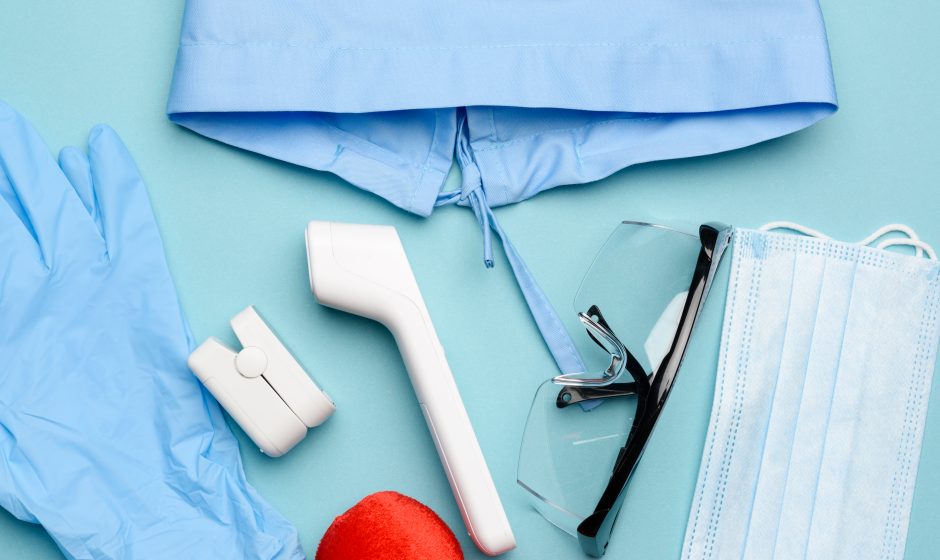

Whether someone is in the hospital, recovering at home, or attending therapy sessions, having the right items can make a meaningful difference in their comfort, independence, and emotional well‑being. Practical and comfort gifts show care in a way that truly supports daily life—not just during recovery, but throughout the healing process.
Here’s a comprehensive guide to the top practical and comfort items for patients that are useful, uplifting, and genuinely appreciated.
1. Comfort Essentials for Rest and Relaxation
Comfort is one of the most immediate needs for patients. Hospital beds, limited mobility, and disrupted routines can make rest difficult. Comfort‑focused items help soothe the body and ease strain throughout the day.
Plush Blankets and Throws
Soft blankets instantly add warmth and a sense of coziness—especially in chilly hospital rooms or during long resting periods at home. Look for lightweight yet warm materials like fleece or microplush. Personalized blankets make these even more meaningful.
Supportive Pillows and Cushions
Standard pillows often offer little support when the body is tender or sleep is restless. Memory foam, contour pillows, and wedge cushions relieve pressure on the neck, back, hips, and legs—helping patients rest better and sit more comfortably during therapy.
Comfortable Loungewear
Soft, breathable pajamas, robes, or lounge sets provide gentle comfort without irritating sensitive skin. Easy‑on, loose‑fit clothing supports movement and makes dressing and undressing easier, especially after surgery or when mobility is limited.
2. Practical Aids for Daily Living
Everyday tasks can become exhausting for patients with limited strength, balance, or mobility. Practical tools help preserve independence and reduce frustration.
Non‑Slip Socks and Slippers
Walking on smooth hospital floors or around the home can feel risky. Cushioned slippers or non‑slip socks add traction and support, helping patients move more confidently and safely.
Reacher/Grabber Tools
Bending, stretching, or lifting can be painful or unsafe. These lightweight tools extend reach and allow patients to pick up items without straining—ideal for reaching the floor, shelves, or bedside necessities.
Adaptive Eating Utensils & Spill‑Proof Cups
Patients with hand weakness or limited dexterity benefit from ergonomic utensils and spill‑resistant mugs. These make mealtimes more manageable and help maintain dignity and independence.
3. Healing Aids for Physical Comfort
Pain, stiffness, swelling, and soreness are common during recovery. Healing aids provide relief and support the healing process.
Heat and Cold Therapy Packs
Microwaveable heat pads ease muscle stiffness and promote circulation, while cold packs reduce swelling and inflammation. These drug‑free tools are ideal after therapy sessions or long rest periods.
Therapy & Resistance Bands
With therapist approval, resistance bands help patients perform gentle strengthening and mobility exercises at home. They support recovery by encouraging safe, controlled movement.
Balance Pads and Stability Supports
Balance pads, stability cushions, or soft mats help patients practice safe movement and improve coordination—especially important during rehabilitation after injury or prolonged bed rest.
4. Sensory Comfort and Emotional Support Items
Healing isn’t just physical—emotional comfort matters too. Sensory items create a calming environment that reduces stress and encourages rest.
Aromatherapy Diffusers
Diffusers paired with calming essential oils like lavender or chamomile (with medical approval) help create a peaceful atmosphere, reduce anxiety, and support restful sleep.
Weighted Blankets or Wraps
Gentle pressure from weighted blankets can soothe anxiety, reduce restlessness, and help patients feel grounded and secure—especially helpful for disturbed sleep or emotional fatigue.
Soothing Sound Machines or Headphones
Hospitals and recovery spaces can be noisy. Sound machines with gentle soundscapes—like nature sounds or soft music—help block distractions and create a restful environment.
5. Entertainment and Mental Engagement
Recovery often includes periods of rest that can feel long and isolating. Mental engagement and entertainment provide distraction, boost mood, and help patients stay connected to life outside their recovery.
Books and Audiobooks
Books offer escape and mental stimulation. Audiobooks provide a hands‑free alternative for patients who tire easily or have limited energy for reading.
Puzzles and Brain Games
Crosswords, Sudoku, jigsaw puzzles, or adult coloring books provide satisfying cognitive engagement without physical strain. These favorite pastimes offer mental stimulation and a sense of accomplishment.
Streaming Subscriptions or Media Devices
Access to movies, TV shows, music, or podcasts helps patients stay entertained and connected to the world beyond the recovery room.
6. Everyday Comfort and Convenience Items
Small comforts go a long way in daily life, helping patients feel more relaxed, refreshed, and cared for.
Toiletry and Personal Care Kits
Hospital supplies are basic. Bringing a kit with quality body wipes, gentle lotion, lip balm, toothbrush/toothpaste, and dry shampoo helps patients feel refreshed and more “at home.”
Long Phone Chargers
Hospital outlets are often hard to reach. Long charging cables allow patients to comfortably use phones, tablets, or devices from bed or chair without strain.
Water Bottles and Healthy Snacks
Hydration is key to healing. Easy‑to‑hold water bottles and diet‑appropriate snacks (with hospital approval) make hydration and nourishment easier and more enjoyable.
Conclusion
Practical and comfort items make a real difference in a patient’s daily experience. They provide physical ease, emotional comfort, distraction, and independence — all of which contribute to improved well‑being and better recovery outcomes. Whether it’s a cozy blanket, a support pillow, adaptive tools, sensory comforts, or engaging entertainment, thoughtful gifts show care, compassion, and attention to a loved one’s comfort and dignity.
Carefully selected items don’t just help meet physical needs — they uplift spirits, reduce stress, and remind patients that they are supported, loved, and never alone on their healing journey.