

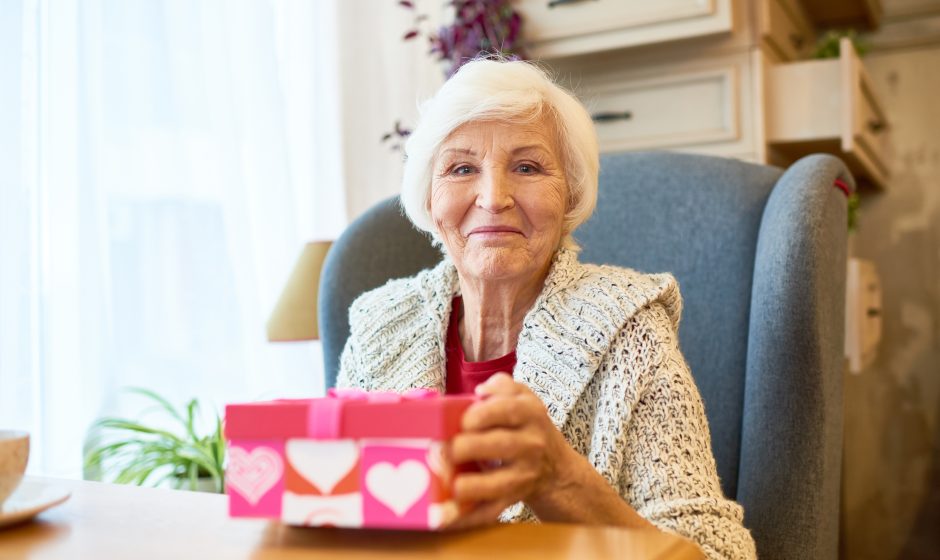

When elderly loved ones face a hospital stay or a period of recovery at home, the physical challenges are only part of the journey. Emotional well‑being, dignity, and the feeling of being seen and appreciated matter just as much. Thoughtful gifts that combine practicality with warmth and personalization can uplift seniors’ spirits and make them feel truly special during a vulnerable time.
Here’s a guide to gifts that make elderly patients feel celebrated, comfortable, and emotionally supported, ranging from comforting essentials to meaningful keepsakes.
1. Comfort Items with a Personal Touch
Nothing says care like warmth and comfort—especially during recovery or hospital stays.
Best comfort gifts:
-
Soft blankets or throws: Choose warm, breathable fabrics in gentle colors. Embroider their initials or a meaningful message like “With love” or “Rest & Recover.”
-
Plush slippers or non‑slip socks: Add a monogram or choose colors they love. Practical and cozy, these gifts instantly improve daily comfort.
-
Comfortable loungewear: A soft robe or loose‑fit cardigan helps them feel at ease without feeling “sick‑ready.”
These gifts transform clinical spaces into comforting ones and remind seniors that someone is thinking of their everyday well‑being.
2. Meaningful Keepsakes and Personalized Gems
Personalized gifts tell a story—they’re not just objects, they’re emotional connections.
Ideas that feel thoughtful:
-
Engraved jewelry: A simple bracelet or pendant with names, initials, or dates (e.g., birthdays, anniversaries).
-
Custom photo frames or albums: Fill them with cherished memories—family photos, grandchildren laughing, vacations, celebrations.
-
Memory quilts: A quilt made from meaningful fabric pieces (old shirts, baby clothes, favorite colors) that evokes nostalgia and comfort.
-
Personalized keepsake boxes: A place to store letters, small treasures, or mementos from family.
Such gifts become timeless treasures, not just for recovery but for years to come.
3. Heartfelt Handwritten Messages
Words have healing power—especially when they come from the heart.
Ways to make messages special:
-
Handwritten letters: Share a memory, a thank‑you, or a simple message of love.
-
“Open When…” envelopes: Write multiple letters for different moments (“Open when you need a smile,” “Open when you feel tired,” etc.).
-
Encouragement or affirmation cards: Create a small stack of uplifting sentiments they can read daily.
Handwritten notes provide emotional support, and unlike text messages or emails, they can be saved and revisited anytime.
4. Comforting Wellness Gifts
Gifts that improve mood, relaxation, or well‑being make recovery feel supported beyond the physical.
Thoughtful wellness options:
-
Aromatherapy diffusers with calming essential oils: Scents like lavender, vanilla, or gentle eucalyptus can create a peaceful environment (check hospital policies if gifting for a hospital stay).
-
Soft eye masks: Encourage restful sleep with silky or padded versions.
-
Herbal tea collections: Chamomile, peppermint, and rooibos with an elegant infuser or mug.
-
Soothing hand creams or bath sets: Gentle, natural ingredients that pamper dry skin.
These self‑care gifts give seniors permission to slow down, relax, and enjoy a moment of peace.
5. Entertainment and Engagement Gifts
Long recovery days can feel isolating. Gifts that engage the mind and heart help break the monotony.
Great entertainment ideas:
-
Books or large‑print reading materials: Choose uplifting stories, biographies, or light fiction.
-
Audiobook subscriptions: Perfect for those with limited vision or who love listening.
-
Puzzle books: Crosswords, word searches, and Sudoku encourage mental exercise.
-
Board games or card sets: Great for visits with family or caregivers.
Entertainment gifts help elderly patients feel intellectually engaged and emotionally uplifted.
6. Practical Aids That Show You Care
Practical items, when chosen thoughtfully, communicate care without feeling utilitarian.
Meaningful practical gifts:
-
Night lights or easy‑grip flashlights: Adds safety and comfort at night.
-
Bedside organization trays: Keep essentials like glasses, phone, and water in easy reach.
-
Reusable water bottles or insulated mugs: Staying hydrated is important, and a personalized design shows thoughtfulness.
-
Warm scarves or shawls: Stylish yet functional for warmth and comfort.
Practical gifts that ease daily life show you’re thinking about both convenience and comfort.
7. Spiritual and Emotional Support Gifts
For many older adults, spiritual connection brings comfort and strength.
Ideas:
-
Inspirational or reflection books
-
Devotional guides or prayer journals
-
Meditation or affirmation card sets
These gifts help anchor emotional resilience and offer daily comfort during tough recovery days.
Final Thoughts
When gifting for an elderly patient, the most meaningful presents are those that combine comfort, personalization, and emotional warmth. Whether it’s a cozy blanket, a personalized photo album, handwritten letters, wellness items, or engaging books, each thoughtful gift carries a message of care, support, and connection.
Healing touches both body and heart, and the right gift can make someone feel not just looked after, but truly special. The effort behind thoughtful presents makes recovery feel not only more comfortable but more hopeful, connected, and meaningful.