
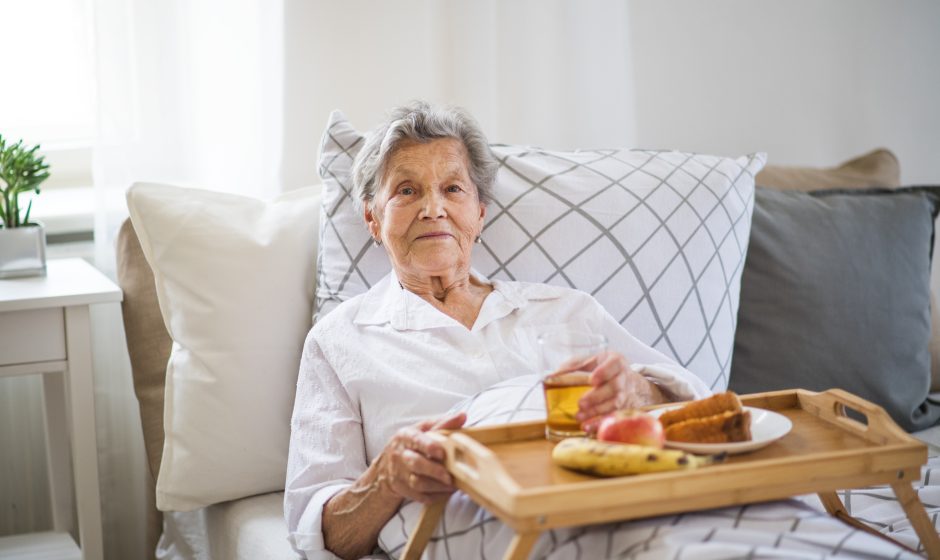

Hospital stays or recovery at home can be stressful, uncomfortable, and emotionally draining. During this time, healthy snacks are more than just food—they provide comfort, energy, and a sense of care. DIY healthy snacks for hospital patients are thoughtful, easy to prepare, and customizable to dietary needs. Unlike store-bought treats, homemade snacks can be nutritious, safe, and tailored to a patient’s preferences.
Here’s a complete guide to creating DIY healthy snacks for patients, including ideas, preparation tips, and presentation suggestions.
Why Healthy Snacks Matter for Patients
Proper nutrition supports both physical and emotional recovery:
-
Boosts Energy: Nutritious snacks provide essential vitamins, minerals, and energy to help patients feel stronger.
-
Supports Healing: Protein, fiber, and antioxidants aid in tissue repair and immunity.
-
Provides Comfort: Thoughtful, tasty treats can lift spirits and improve mood.
-
Offers Convenience: Easy-to-eat snacks are ideal for hospital settings where full meals may be irregular or limited.
A carefully prepared snack shows thoughtfulness and care, making the patient feel valued and supported.
1. Protein-Packed Snacks
Protein helps with recovery, tissue repair, and energy.
DIY Options:
-
Trail Mix: Combine nuts, seeds, and dried fruit for a portable protein boost.
-
Nut Butter Energy Balls: Mix oats, peanut or almond butter, honey, and a few dark chocolate chips.
-
Roasted Chickpeas: Crunchy, high-protein, and flavorful with spices like paprika or cinnamon.
-
Mini Cheese Bites: Cubed cheese or string cheese for easy protein consumption.
Tip: Avoid nuts or dairy if the patient has allergies.
2. Fiber-Rich Snacks
Fiber supports digestion and keeps patients feeling fuller between meals.
DIY Options:
-
Homemade Granola Bars: Oats, seeds, dried fruit, and a natural sweetener like honey or maple syrup.
-
Fruit and Nut Bars: Blend dates, almonds, and oats for soft, chewy bars.
-
Baked Apple Chips: Thinly slice apples, sprinkle with cinnamon, and bake until crisp.
-
Vegetable Chips: Kale, zucchini, or sweet potato chips baked with olive oil and seasoning.
Fiber-rich snacks help maintain digestive health and energy levels.
3. Vitamin-Boosting Snacks
Fruits and vegetables provide essential vitamins and antioxidants for recovery.
DIY Options:
-
Fruit Parfaits: Layer yogurt, berries, and granola in a small cup or jar.
-
Smoothie Packs: Pre-portion fruits, greens, and seeds in freezer bags to blend easily.
-
Veggie Sticks with Hummus: Carrot, cucumber, and bell pepper sticks with a protein-rich dip.
-
Frozen Fruit Pops: Blend fruit puree and freeze in small molds for a refreshing treat.
These snacks support immunity and overall health while being visually appealing.
4. Hydration-Friendly Snacks
Hydration is key during recovery, and some snacks also help patients maintain fluid intake.
DIY Options:
-
Fruit-Infused Water: Sliced lemon, cucumber, or berries in a reusable water bottle.
-
Watermelon or Cantaloupe Cubes: High water content fruits for hydration and sweetness.
-
Coconut Water Ice Cubes: Freeze coconut water in small portions for easy consumption.
-
Chia Seed Pudding: Mix chia seeds with almond milk and let sit overnight; add fruits for flavor.
Hydration-friendly snacks are refreshing, easy to digest, and soothing for patients.
5. Small Comfort Treats
While health is a priority, a little indulgence can improve mood and morale.
DIY Options:
-
Dark Chocolate-Dipped Fruit: Strawberries, banana slices, or orange segments dipped in dark chocolate.
-
Mini Muffins: Made with whole wheat flour, oats, or mashed bananas for healthier sweetness.
-
Homemade Energy Bars: Combine seeds, nuts, and honey for chewy, wholesome bites.
-
Baked Cinnamon Apple Rings: Sweet, chewy, and naturally nutritious.
These small treats add joy without compromising health.
6. Presentation Tips
How snacks are presented can make them feel extra special:
-
Use small jars, resealable bags, or mini boxes for portion control and hygiene.
-
Include a handwritten note with the patient’s name and an uplifting message.
-
Group snacks in a basket or gift box for a DIY care package.
-
Label items with ingredients for allergy awareness and convenience.
Presentation shows thoughtfulness and makes snacks feel like a caring gift rather than just food.
Tips for Preparing DIY Hospital Snacks
-
Check Dietary Restrictions: Always confirm allergies, low-sodium needs, or specific diet requirements.
-
Focus on Portability: Choose snacks that are easy to store and eat in a hospital or recovery environment.
-
Keep Portions Small: Bite-sized or pre-portioned snacks are convenient and reduce waste.
-
Emphasize Freshness: Use fruits, vegetables, or baked items that stay fresh for a few days.
-
Combine Nutrition and Taste: Healthy snacks should also be enjoyable to encourage consumption.
Final Thoughts
DIY healthy snacks are a thoughtful, practical, and uplifting gift for patients in hospitals or at home. From protein-packed energy bites and fiber-rich bars to vitamin-boosting fruits, hydration-friendly treats, and small comfort indulgences, these snacks provide nutrition, convenience, and emotional comfort.
A carefully prepared snack shows thoughtfulness, care, and attention to the patient’s needs. Paired with a personalized note or a small handmade gift, these DIY snacks can brighten a patient’s day, support recovery, and make the healing journey feel a little easier and more nurturing.