

Recovering from illness, surgery, or a long hospital stay can be both physically exhausting and emotionally challenging. During these times, thoughtful gifts can provide comfort, encouragement, and a sense of connection. Among the most meaningful options are healing jewelry gifts—pieces that combine beauty, symbolism, and personalization to uplift patients throughout their recovery journey.
Healing jewelry is more than a decorative item. It carries intention, serves as a reminder of strength, and can even provide emotional support in difficult moments. Here’s a guide to some of the most impactful healing jewelry gifts for patients.
Why Healing Jewelry Matters
Jewelry has always held emotional significance. When thoughtfully selected, it becomes a tangible symbol of care, love, and encouragement. Healing jewelry can boost a patient’s spirits by reminding them of their inner strength and the support surrounding them.
Personalization makes these gifts even more meaningful. By engraving names, initials, dates, or motivational phrases, the jewelry becomes unique to the patient. This attention to detail turns a simple accessory into a keepsake they will cherish long after recovery.
1. Engraved Bracelets
Bracelets are one of the most versatile healing jewelry gifts. They can be engraved with the patient’s name, initials, or short motivational phrases such as “Stay Strong,” “Courage,” or “One Day at a Time.”
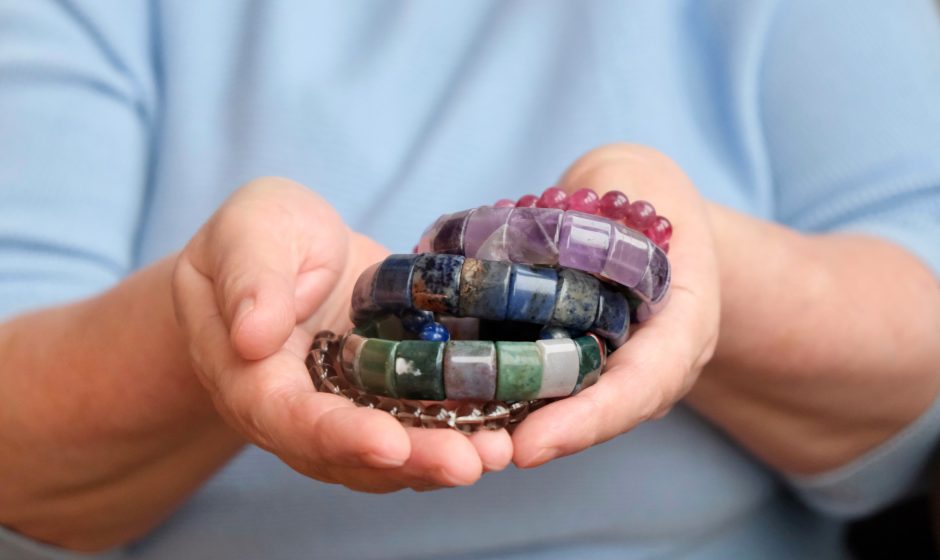
Some healing bracelets also incorporate meaningful charms, gemstones, or symbols associated with protection, hope, and resilience. For example:
-
Gemstones: Amethyst for calmness, rose quartz for emotional healing, or turquoise for protection.
-
Charms: Hearts, stars, or infinity symbols symbolize love, hope, and continuity.
Wearing a bracelet keeps motivation close at all times, offering gentle reminders of strength throughout the day.
2. Necklaces with Inspirational Pendants
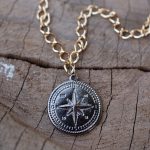
Necklaces are another powerful option for healing gifts. Personalized pendants can carry engraved messages, initials, or dates significant to the patient’s journey.
For instance:
-
A pendant engraved with “Hope” or “Faith” can serve as a source of daily encouragement.
-
Lockets can hold small photos of loved ones or uplifting notes, keeping emotional support physically close.
-
Symbolic shapes such as the tree of life, lotus flower, or infinity symbol can represent growth, renewal, and resilience.
Necklaces allow patients to carry reminders of love and strength wherever they go, offering both emotional and spiritual support.
3. Rings for Daily Encouragement
Engraved rings can be subtle yet powerful reminders of resilience and healing. Simple bands with words like “Brave,” “Healing,” or “Strength” are wearable affirmations that patients can see and feel every day.
Stackable rings are also a creative option—they allow patients to layer meaningful words or symbols, creating a personal collection of motivation. Rings are discreet, practical, and meaningful, making them perfect for patients who prefer subtle jewelry.
4. Healing Gemstone Jewelry
Gemstone jewelry adds both aesthetic appeal and symbolic significance. Certain stones are believed to carry healing properties or emotional benefits, which can complement recovery. Examples include:
-
Amethyst: Promotes calm and stress relief
-
Rose Quartz: Supports emotional healing and self-love
-
Turquoise: Offers protection and tranquility
-
Lapis Lazuli: Encourages inner peace and strength
Pairing gemstones with engravings or charms enhances their meaning, creating jewelry that combines beauty with therapeutic symbolism.
5. Customizable Jewelry for Personal Stories
Personalized jewelry can reflect the patient’s journey, achievements, or loved ones. Items such as charm bracelets or pendants allow for customization over time, letting patients add symbols that represent milestones in recovery.
For example:
-
A bracelet where each charm represents a step in the healing process
-
A necklace engraved with the date of surgery or a memorable milestone
-
Jewelry incorporating birthstones of family members for emotional support
These thoughtful touches make jewelry an ongoing source of motivation, rather than a one-time gift.
6. Combining Jewelry with Care Packages
Healing jewelry can be part of a broader recovery care package. Pair it with other comforting items to create a holistic gift that nurtures both body and spirit. Consider including:
-
Personalized mugs with uplifting messages
-
Cozy blankets or socks
-
Journals or note cards for reflection
-
Aromatherapy oils or calming teas
A jewelry-centered care package provides tangible reminders of love, support, and healing, offering encouragement in multiple ways.
7. Practical Tips for Choosing Healing Jewelry
When selecting jewelry for patients, consider:
-
Durability: Lightweight and sturdy pieces are ideal for daily wear.
-
Safety: Avoid sharp edges or materials that may irritate sensitive skin.
-
Personalization: Engraving meaningful words or symbols makes the gift unique.
-
Comfort: Choose jewelry that is easy to put on, remove, and wear for long periods.
By keeping these considerations in mind, you ensure that the jewelry is not only meaningful but also practical for a patient’s recovery.
Final Thoughts
Healing jewelry gifts offer both emotional support and enduring beauty. Engraved bracelets, necklaces, rings, and gemstone pieces serve as daily reminders of strength, love, and resilience. When personalized with meaningful messages, these gifts become treasured keepsakes that motivate patients throughout their recovery journey.
Whether worn every day or kept as a symbolic token, healing jewelry combines thoughtfulness, practicality, and emotional significance—making it one of the most impactful gifts you can give to someone on the path to wellness.