

Long hospital stays, recovery periods, and convalescence at home can leave patients with a lot of unstructured time. When physical energy is low, simple, engaging activities are a perfect way to stay entertained, stimulated, and positive. Puzzle gifts are especially effective: they offer gentle mental challenges, spark curiosity, and provide timeless fun without requiring physical exertion. Whether someone is dealing with post‑surgical recovery, long‑term treatment, or resting at home, puzzles bring engagement, distraction, and joy during what can otherwise be long, quiet hours.
This guide highlights fun puzzle gifts that help patients stay mentally active, entertained, and emotionally uplifted, from classic brainteasers to interactive books and games.
Why Puzzle Gifts Matter for Patients
Recovery isn’t just about physical healing—it’s also about mental well‑being. Puzzle activities help patients in several meaningful ways:
-
Mental engagement: Puzzles encourage concentration and cognitive activity, keeping the mind sharp.
-
Stress relief: Solving puzzles can be calming, helping reduce anxiety and stress.
-
Distraction from discomfort: Engrossing tasks offer a welcome break from pain or monotonous hospital routines.
-
Sense of accomplishment: Completing a challenge boosts mood and confidence.
-
Modular use: Many puzzles are easy to dip in and out of when energy levels vary.
Whether used bedside, in waiting rooms, or during rest periods, puzzle gifts are both fun and therapeutic.
Classic Puzzle Gifts
Crossword Puzzle Books
Crossword puzzles are timeless and familiar to many readers. They can be as easy or challenging as needed, making them great for different ages and interests. Large‑print crossword books are especially helpful for patients with eye strain.
Why they’re great:
-
Gentle cognitive challenge
-
Easy to read and navigate
-
Encourages vocabulary and memory work
Crossword books come in themed editions—travel, movies, books, history—which can make the experience even more personalized.
Sudoku and Logic Game Books
Sudoku and other number puzzles are perfect for patients who enjoy logical reasoning without needing language skills. They range from beginner to expert levels, so patients can pick the difficulty that suits them best.
Benefits include:
-
Sharpens logical thinking
-
Can be done at many skill levels
-
Requires only paper and pencil
Sudoku keeps the mind active, focused, and entertained—ideal for quiet recovery hours.
Word Search Collections
Word search puzzles are low‑stress and accessible. They’re especially enjoyable for people who prefer pattern recognition and visual scanning. Large‑print versions are helpful for easier reading.
Best for:
-
Relaxed mental engagement
-
Quick, satisfying completion
-
Visual scanning fun
Word searches are simple yet gratifying and especially suitable for patients who enjoy light, mood‑boosting tasks.
Interactive Puzzle Gifts
Jigsaw Puzzles
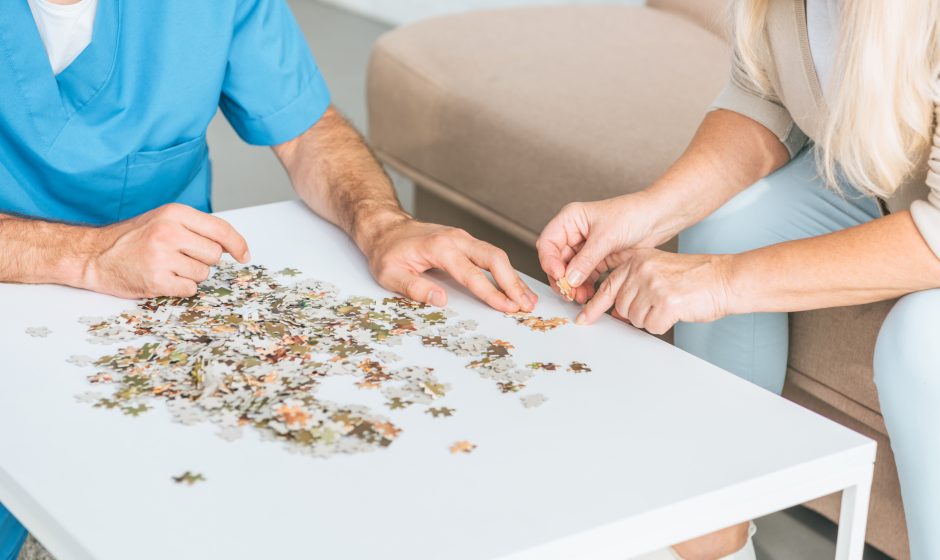
Jigsaw puzzles stimulate visual problem‑solving and can be incredibly absorbing. For hospital or home recovery, consider small‑to‑medium puzzle sets with 100–500 pieces. The puzzles can reflect interests like art, landscapes, animals, or calming themes, offering a visual escape.
Why patients love them:
-
Immersive and meditative
-
Great for bedside tables
-
Can be enjoyed at one’s own pace
Many puzzles now come in compact boxes that are simple to store and take out again whenever desired.
Puzzle Games and Brain Teasers
Three‑dimensional brain teasers, handheld puzzles, or mini‑logic games are great for patients who enjoy tactile challenges. Options include metal loop puzzles, wooden brain teasers, and single‑player strategy games.
Benefits:
-
Hands‑on engagement
-
Short, satisfying play sessions
-
No reading required
These gifts are ideal for patients who love figuring things out with their hands and mind.
Puzzle Books with a Twist
Mystery Puzzle Books
Mystery puzzle books blend narrative storytelling with interactive challenges. Each chapter might include riddles, cryptograms, or hidden clues that move the story forward. This format keeps patients engaged both mentally and emotionally.
Why they’re special:
-
Combines reading and problem‑solving
-
Encourages sustained engagement
-
Blends story with puzzle fun
Mystery puzzle books are excellent for patients who enjoy immersive experiences.
Trivia and Quiz Books
Trivia books with quizzes on topics like music, movies, science, or history appeal to patients who enjoy testing their knowledge. Such books can be shared with visitors or loved ones—turning puzzle time into a social activity.
Benefits include:
-
Fun and educational
-
Great for group or solo play
-
Wide range of topics
Trivia books are entertaining, confidence‑boosting, and perfect for conversation.
Digital and Accessible Puzzle Options
If patients prefer screens or have limited fine motor skills, digital puzzle games on tablets or phones can be extremely engaging. There are many large‑print and accessible puzzle apps offering:
-
Word games
-
Logic challenges
-
Matching games
-
Strategy puzzles
These digital options provide entertainment that adapts to the patient’s energy and focus level.
Tips for Choosing Puzzle Gifts
When selecting puzzle gifts for patients, consider:
-
Difficulty level: Choose puzzles that match their interests and energy.
-
Large‑print options: Especially helpful for readers with vision sensitivity.
-
Portability: Compact books and small boxes are easy to use in bed or chairs.
-
Theme: Match the puzzle theme to the patient’s interests (travel, nature, art, etc.).
-
Variety: A mix of puzzle types keeps engagement fresh.
Presentation Ideas
Present puzzle gifts in a thoughtful way:
-
Pair puzzles with a comfortable lap desk or clipboard.
-
Add quality pencils or erasable markers.
-
Include a cozy blanket and bookmark for a complete comfort set.
-
Add a handwritten note suggesting hours of fun and mental refreshment.
These small touches make the gift feel personal and supportive.
Final Thoughts
Puzzle gifts are more than a pastime during recovery—they offer mental stimulation, joyful distraction, and a sense of achievement. Whether it’s crossword books, Sudoku collections, jigsaw puzzles, or interactive brain teasers, these gifts can brighten a patient’s day and make hospital stays feel less isolating.
With the right puzzle in hand, time can become an opportunity for fun, engagement, and meaningful entertainment during every stage of healing.