

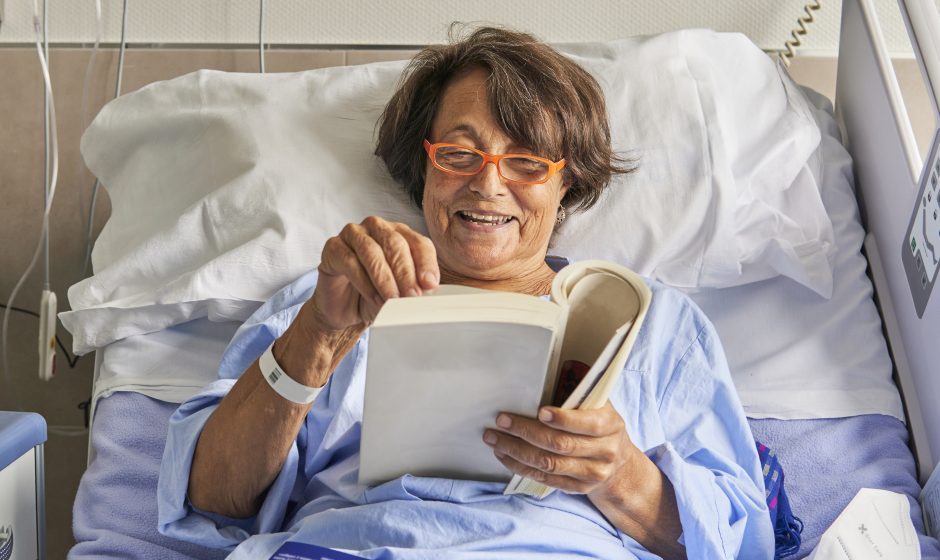

Hospital stays can be challenging. Whether a patient is recovering from surgery, managing a chronic illness, or simply navigating an extended hospital stay, the experience can be long, isolating, and physically draining. In these moments, finding ways to lift spirits and provide comfort is crucial. One of the most thoughtful and effective ways to do this is with a good book.
Books are more than just a distraction—they provide comfort, inspiration, mental engagement, and emotional escape. A well-chosen book can brighten a patient’s day, reduce stress, and even support the healing process by offering moments of joy and mental stimulation. From uplifting novels to inspiring memoirs and visually engaging works, there is a book for every patient.
Why Books Matter During Hospital Stays
Spending long hours in a hospital bed can be mentally and emotionally exhausting. Boredom, anxiety, and stress can all take a toll on recovery. Reading offers several benefits for patients:
-
Mental escape: Stories transport readers to other worlds, away from the hospital environment.
-
Stress relief: Reading can lower stress and promote relaxation, aiding the body’s natural healing processes.
-
Mood boost: Engaging, uplifting stories or humorous narratives can improve a patient’s outlook.
-
Cognitive engagement: Reading keeps the mind active without requiring physical exertion.
The right book can make a hospital stay feel more manageable, offering comfort and companionship during quiet or difficult times.
Uplifting Fiction for Hospital Patients
Fiction is a wonderful way to brighten a patient’s stay. Light, engaging stories can provide a welcome escape from medical routines and hospital monotony.
Feel-Good Novels
Heartwarming novels and gentle romances create uplifting experiences for patients. These books focus on friendship, resilience, and small joys, making them comforting and easy to read in short bursts.
-
Stories of overcoming challenges with humor or optimism
-
Heartwarming tales of community, family, or love
-
Lighthearted romances or adventures
Feel-good fiction can leave patients with a sense of hope and positivity, which is invaluable during recovery.
Mysteries and Cozy Suspense
Mystery novels and cozy suspense stories are perfect for patients who enjoy engagement without emotional heaviness. These books encourage problem-solving and curiosity, providing entertainment while keeping the mind active.
-
Cozy mysteries with amateur detectives
-
Historical or light suspense stories
-
Series books that allow patients to follow familiar characters
Mysteries are especially suitable because series books offer multiple entries, giving patients a sense of continuity and comfort.
Inspirational Non-Fiction
Non-fiction can provide both entertainment and motivation. Memoirs, essays, and reflection books can inspire patients and remind them of resilience and hope.
Memoirs and Life Stories
Memoirs allow readers to step into someone else’s experiences—often tales of perseverance, adventure, or personal growth. They are relatable and uplifting, offering comfort and perspective.
-
Travel or adventure memoirs
-
Stories of personal triumph or creativity
-
Humorous or candid celebrity biographies
Memoirs can be both entertaining and encouraging, helping patients feel connected and inspired.
Short Reads and Essays
Essay collections are ideal for hospital reading because they can be consumed in short, manageable sessions. Essays on nature, mindfulness, or everyday life can soothe, entertain, and provide insight.
-
Collections that reflect on the human experience
-
Light, humorous essays that spark joy
-
Meditative or motivational pieces
Short reads are perfect for patients who want flexibility and simplicity in their reading.
Poetry and Visual Books
For patients who prefer gentle or visually engaging reading, poetry and art books offer both relaxation and enrichment.
Poetry Collections
Poetry provides emotional depth in concise, thoughtful doses. Inspirational or nature-based poetry can calm, entertain, and evoke reflection.
-
Contemporary collections focused on healing or hope
-
Nature-inspired poems for reflection and tranquility
-
Classic poetry that comforts through familiarity
Art, Photography, and Coffee Table Books
Visually rich books allow patients to explore beauty without demanding cognitive intensity. Art, photography, and illustrated works offer aesthetic engagement and mental escape.
-
Landscape or travel photography books
-
Collections of art or cultural exploration
-
Nature, wildlife, or gardening books
Visual books are particularly useful for patients who want a restful, immersive experience that doesn’t require long reading sessions.
Interactive and Light-Read Options
Some patients enjoy reading that involves engagement or participation. These books provide entertainment and mental stimulation in a gentle, enjoyable way.
-
Puzzle and activity books (crosswords, Sudoku, word searches)
-
Journaling or prompt-based reflection books
-
Trivia books or fun facts collections
Interactive books combine distraction with creativity or problem-solving, making hospital time feel more productive and fun.
Tips for Choosing the Right Hospital Book
When selecting a book for a patient, consider:
-
Genre and interests: Match the book to the patient’s preferences for comfort and engagement.
-
Length and format: Large-print editions or short stories are great for patients who tire easily.
-
Uplifting content: Avoid overly dark or intense material that could increase stress.
-
Ease of reading: Lightweight books, audiobooks, or visual works can be ideal.
Final Thoughts
Books are invaluable companions for patients. They provide comfort, distraction, and mental engagement, helping hospital stays feel less isolating and more enjoyable. From uplifting fiction and cozy mysteries to inspiring memoirs and visually captivating works, there is a book for every taste and need. Thoughtful reading material can brighten a patient’s day, foster positive emotions, and even support recovery by easing stress and promoting well-being.
Choosing books as gifts or bedside companions is a small gesture with a profound impact—turning long hours into moments of comfort, escape, and jo