

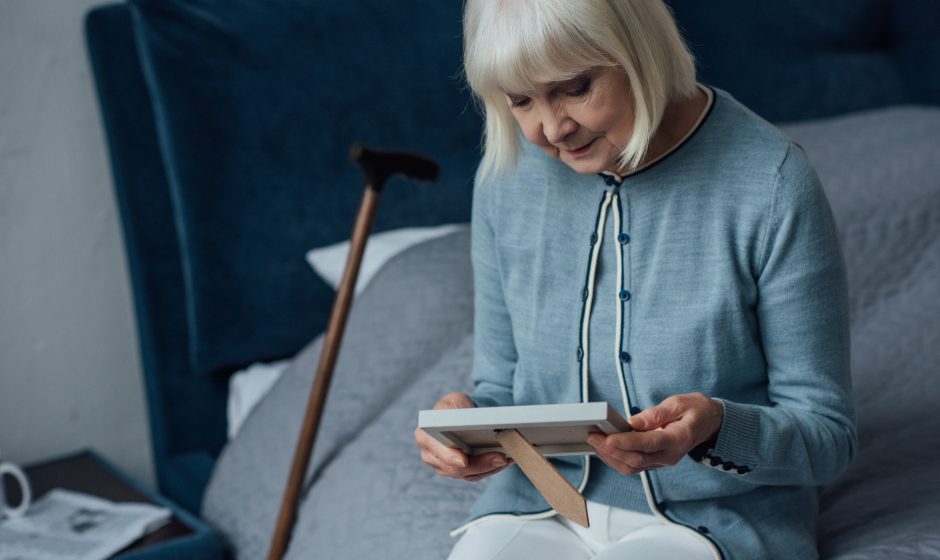

Caring for elderly patients involves more than just medical attention—it’s about improving their daily comfort, safety, and quality of life. Practical items that make everyday tasks easier can have a profound impact on their independence and well-being. Whether the elderly patient is recovering at home, living in a care facility, or spending time in a hospital, thoughtful gifts and useful tools can make a difference in their daily routines.
Here are some of the top practical items for elderly patients that combine convenience, safety, and comfort.
Supportive Pillows and Cushions
Many elderly patients spend extended periods sitting or lying down, which can lead to discomfort or pressure sores. Supportive pillows and cushions are essential for improving posture and reducing strain.
Memory foam cushions help relieve pressure on sensitive areas, making chairs, wheelchairs, and beds more comfortable. Neck pillows, wedge pillows, and lumbar support cushions help maintain proper alignment and prevent muscle strain. Even smaller pillows for knees or arms can significantly enhance comfort during daily activities like reading, watching television, or resting.
Cozy Blankets and Throws
A soft, warm blanket is both comforting and practical. Elderly patients are often more sensitive to cold due to circulation changes or medical conditions, and a cozy blanket can help regulate body temperature while adding a sense of security.
Fleece, knitted, or plush throws are ideal because they are lightweight, soft, and easy to manage. Weighted blankets are another thoughtful option, as they provide gentle pressure that can reduce anxiety and promote relaxation. A blanket in a favorite color or familiar pattern also adds a personal touch to the patient’s space.
Comfortable Clothing and Footwear
Clothing that is easy to wear and comfortable is essential for elderly patients. Soft, loose-fitting garments, such as robes, cardigans, or elastic-waist pants, allow for easy movement without restriction.
Non-slip socks and supportive slippers are particularly practical, as they help prevent falls—a major safety concern for seniors. Clothing with simple fastenings, such as Velcro or front buttons, can help maintain independence by making dressing easier, especially for patients with limited mobility or dexterity.
Personal Care and Hygiene Items
Practical personal care items are always appreciated by elderly patients. Moisturizing lotions, gentle soaps, lip balms, and hand creams prevent dryness and maintain healthy skin, which can be sensitive with age.
Adaptive items like long-handled sponges, easy-grip combs, and no-rinse bathing wipes make self-care tasks easier for those with limited mobility. Toiletry organizers or small personal care kits can help patients keep essential items within reach and make daily routines more manageable.
Mobility and Safety Tools
Mobility and safety are critical for elderly patients, especially those recovering from surgery or dealing with balance issues. Walkers, canes, or rollators provide stability and reduce the risk of falls.
Reachers or grabbers allow patients to pick up items without bending or straining, which is especially helpful for patients with limited flexibility or back problems. Bedside rails, non-slip mats, and nightlights can further improve safety by preventing accidents in bedrooms and bathrooms.
Dining and Drinking Aids
Eating and drinking can be challenging for some elderly patients. Adaptive utensils with large, easy-to-grip handles, spill-proof cups, and plates with raised edges help make mealtime easier and more independent.
Lap trays or lightweight bedside tables allow patients to enjoy meals comfortably while seated or resting in bed. These items are practical gifts that help maintain dignity and make daily life more manageable.
Entertainment and Mental Stimulation
Mental engagement is important for overall well-being. Practical gifts that keep the mind active can also boost mood and reduce feelings of isolation.
Large-print books, magazines, puzzle books, or crossword compilations provide entertainment while being easy on aging eyes. Coloring books designed for adults and craft kits offer a creative outlet. Audiobooks and music players with familiar songs can evoke fond memories, provide relaxation, and create a sense of comfort.
Technology for Connection
Staying connected with loved ones is vital for emotional health. Easy-to-use tablets, smartphones, or video calling devices allow elderly patients to maintain regular contact with family and friends.
Digital photo frames that rotate family pictures can also provide a comforting reminder of loved ones. These practical items help reduce loneliness and provide emotional support, which is just as important as physical care.
Organizational Tools
Simple organizational tools can greatly improve daily convenience for elderly patients. Items like bedside caddies, medication organizers, pillboxes, or labeled storage containers help keep essential items and medications within easy reach.
These tools reduce frustration and confusion, helping patients stay independent while ensuring they follow their prescribed routines safely.
Conclusion
Practical items for elderly patients focus on comfort, safety, and independence. Supportive pillows, cozy blankets, adaptive clothing, personal care items, mobility aids, dining tools, and entertainment options all contribute to a higher quality of life.
When choosing gifts or tools for elderly patients, consider their health needs, mobility, and lifestyle. Thoughtful practical items can make daily routines easier, reduce discomfort, and provide emotional reassurance. Small gestures of convenience and care can have a profound impact, helping elderly patients feel supported, secure, and comfortable in their environment.