

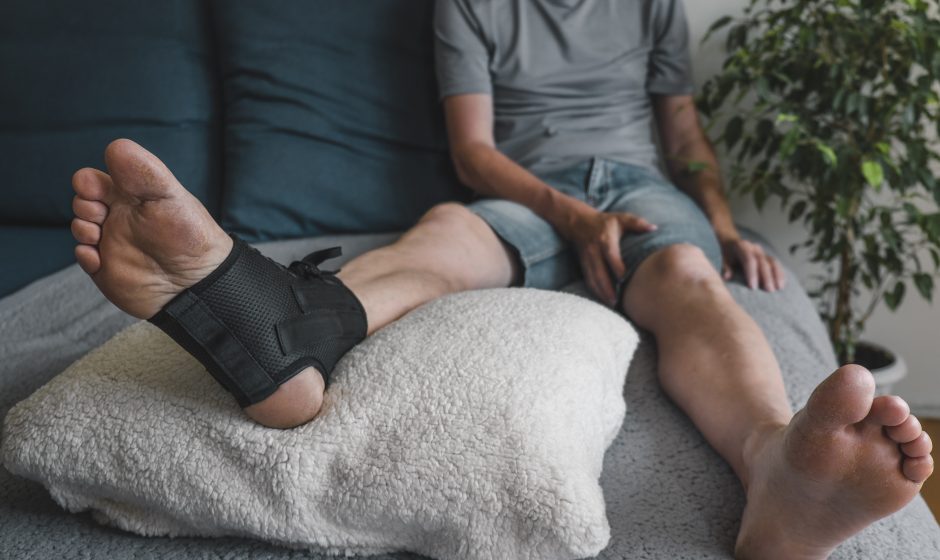

Recovering from illness, surgery, or long-term health challenges can be physically exhausting and emotionally taxing. During ongoing recovery, patients often experience fatigue, limited mobility, discomfort, and stress, making even routine tasks challenging. While medical care is essential, the right comfort and practical items can ease daily struggles, improve quality of life, and support faster recovery.
Whether you’re shopping for a loved one or planning a thoughtful gift, consider items that combine comfort, convenience, and emotional support. Here’s a guide to some of the best gifts for ongoing recovery.
1. Supportive Pillows and Cushions
Comfort and proper alignment are crucial during recovery. Supportive pillows and cushions can reduce pain, improve posture, and help patients rest more effectively.
Gift Ideas:
-
Neck and contour pillows: Reduce tension and support the cervical spine during sleep or rest.
-
Lumbar cushions: Provide lower back support while sitting or reading.
-
Body pillows: Offer full-body support for side sleepers or those with joint pain.
These pillows allow patients to rest in positions that minimize discomfort and help conserve energy for healing.
2. Cozy Blankets and Throws
Restful sleep and relaxation are essential for recovery. Soft blankets and throws help patients feel comfortable, safe, and nurtured.
-
Weighted blankets: Offer gentle pressure that promotes relaxation and better sleep.
-
Plush or fleece throws: Lightweight and warm, ideal for lounging or napping.
-
Personalized blankets: Adding a personal touch can boost emotional comfort.
A comforting blanket can improve rest, reduce stress, and create a soothing recovery environment.
3. Heating Pads and Cold Therapy Packs
Pain, stiffness, or inflammation is common during recovery. Heat and cold therapy products can relieve discomfort and promote healing.
Options:
-
Electric heating pads: Adjustable warmth for sore muscles and joints.
-
Microwaveable heat packs: Portable and easy to use in bed or on the couch.
-
Cold packs or gel wraps: Reduce swelling and inflammation.
-
Hot/cold combination wraps: Versatile relief for multiple areas.
Regular use of these items can increase comfort, improve circulation, and support faster recovery.
4. Adaptive Daily-Living Tools
Everyday tasks can be difficult during recovery. Adaptive tools help patients maintain independence and conserve energy.
-
Jar openers and ergonomic utensils: Reduce strain on hands and wrists.
-
Reachers and grabbers: Minimize bending and stretching.
-
Adjustable bed trays or lap desks: Make eating, reading, or working more comfortable.
-
Non-slip slippers or supportive shoes: Provide safety and stability.
Practical items like these reduce fatigue and make daily life more manageable.
5. Hydration and Nutrition Aids
Maintaining hydration and proper nutrition supports recovery and energy levels. Gifts that simplify healthy eating are highly practical.
-
Insulated water bottles with time markers: Encourage regular hydration.
-
Smoothie makers or portable blenders: Quick, nutrient-rich meals with minimal effort.
-
Herbal teas and healthy snack baskets: Easy, soothing options for recovery days.
-
Meal delivery subscriptions: Provide balanced meals without extra energy expenditure.
These gifts help patients stay nourished and energized throughout recovery.
6. Relaxation and Mindfulness Tools
Emotional well-being is essential for ongoing recovery. Stress and anxiety can impede healing, so gifts that promote relaxation are invaluable.
-
Aromatherapy diffusers and essential oils: Promote calm and stress relief.
-
Guided meditation apps or subscriptions: Encourage mindfulness and mental balance.
-
Adult coloring books or journaling kits: Creative outlets that reduce stress.
-
Sound machines or relaxing music playlists: Enhance rest and sleep quality.
Relaxation tools allow patients to restore mental energy while supporting physical recovery.
7. Entertainment and Low-Energy Activities
Recovery often requires rest, but mental engagement helps maintain a positive outlook. Entertainment gifts provide stimulation without draining energy.
-
Audiobooks and podcasts: Enjoyable and easy to follow while resting.
-
Streaming service subscriptions: Access to movies, TV shows, or documentaries.
-
Puzzle books, crosswords, or brain teasers: Gentle mental activity.
-
E-readers or tablets: Lightweight and portable for reading in bed.
These activities keep patients engaged, reduce boredom, and support emotional well-being.
8. Personalized and Encouraging Gifts
Personalized gifts provide emotional reassurance and remind patients that they are loved and supported.
-
Custom blankets or mugs with uplifting messages
-
Photo frames or memory albums
-
Handwritten letters or notes of encouragement
-
Personalized journals for reflection and goal-setting
Emotional support plays a vital role in ongoing recovery, complementing physical comfort and care.
Conclusion
Ongoing recovery can be physically and emotionally challenging, but thoughtful comfort and practical gifts make a meaningful difference. Items like supportive pillows, cozy blankets, heating pads, adaptive tools, hydration and nutrition aids, relaxation products, entertainment, and personalized gifts provide essential support while showing care and empathy.
The key is to focus on comfort, convenience, and emotional well-being, allowing patients to rest, regain energy, and manage daily life more easily. Thoughtful gifts can transform a challenging recovery period into one that feels nurturing, supportive, and manageable — making every day a little brighter for someone on the road to healing.